The Only 5 Pieces of Home Gym Equipment You Actually Need
Build a complete home gym with just 5 pieces of equipment. Adjustable dumbbells, resistance bands, and more. Total cost under $300. Start training today!

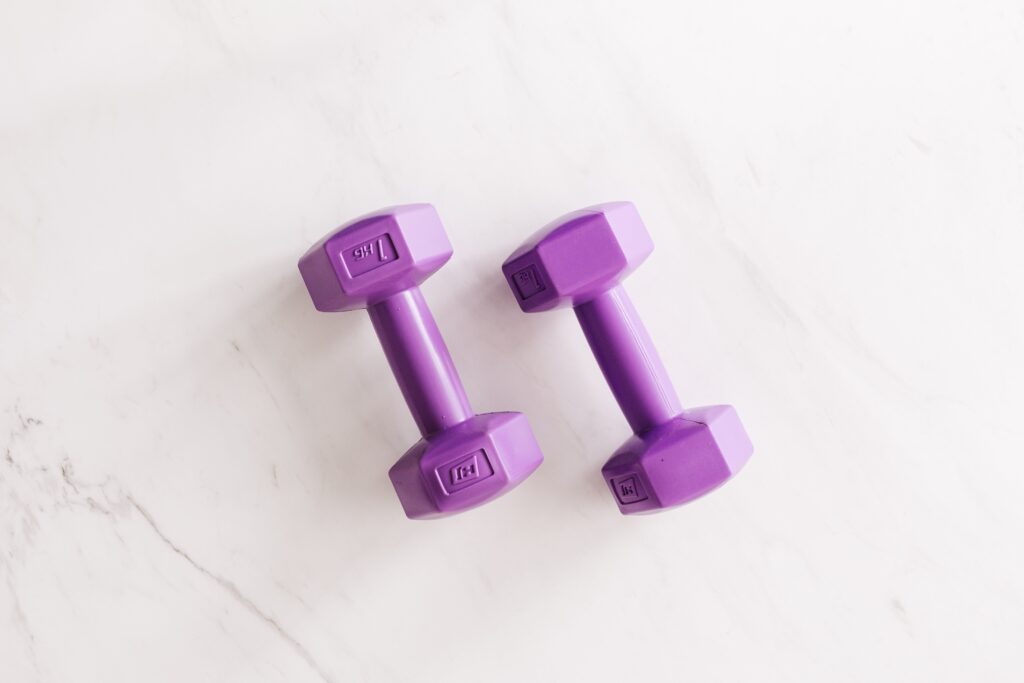
The Only 5 Pieces of Home Gym Equipment You Actually Need
You do not need a garage full of machines to get a great workout at home. According to Verywell Fit, a complete home gym can be built with just a few versatile pieces of equipment that cost less than three months of a gym membership.
The secret is choosing equipment that works for multiple muscle groups and exercise types. Every item on this list earns its space by being useful for dozens of different movements — not just one.
Here are the 5 essential pieces of home gym equipment that will cover your entire body, save you money, and fit in a small space.
1. Adjustable Dumbbells
Adjustable dumbbells are the single most important piece of home gym equipment. A single pair replaces an entire rack of traditional dumbbells, giving you 5–50+ pounds of resistance in each hand.
Why they are essential:
- Work every muscle group — chest, back, shoulders, arms, legs, core
- Replace 15+ pairs of fixed-weight dumbbells
- Fit in a corner when not in use
- Allow progressive overload as you get stronger
Key exercises: Goblet squats, dumbbell rows, shoulder press, chest press, lunges, bicep curls, tricep extensions
What to look for: Quick-adjust mechanism, weight range from 5 to at least 50 lbs per dumbbell, durable construction
Budget tip: Start with a simple fixed pair (10–15 lbs each) for under $30. Upgrade to adjustable dumbbells once you know you are committed.
2. Resistance Bands
Resistance bands are the most underrated training tool available. They cost under $20, fit in a drawer, and can replicate almost every cable machine exercise in a commercial gym.
Why they are essential:
- Joint-friendly tension that increases through the full range of motion
- Perfect for warm-ups, mobility work, and rehabilitation
- Portable — take them when you travel
- Available in multiple resistance levels for progressive training
Key exercises: Banded rows, pull-aparts, lateral walks, glute bridges, banded squats, tricep pushdowns, face pulls
What to look for: A set of 3–5 bands with different resistance levels (light to heavy), fabric or latex material
3. Exercise Mat
An exercise mat protects your floor, cushions your joints, and defines your workout space. It is essential for floor exercises, stretching, yoga, and bodyweight movements.
Why it is essential:
- Cushions your spine, knees, and elbows during floor exercises
- Prevents slipping during planks, push-ups, and stretches
- Defines your “workout zone” — a visual cue that triggers your habit
- Easy to roll up and store when not in use
Key exercises: Push-ups, planks, crunches, leg raises, stretching, yoga flows, foam rolling
What to look for: 6–8mm thickness for general fitness, non-slip surface, easy to clean
4. Doorway Pull-Up Bar
Pull-ups are one of the most effective upper-body exercises ever created. A doorway bar gives you access to this movement without drilling into walls or buying a power tower.
Why it is essential:
- Targets back, biceps, shoulders, and core in one movement
- Builds real-world pulling strength
- Supports multiple exercises: pull-ups, chin-ups, hanging leg raises, rows
- Installs in seconds, removes when not in use
Key exercises: Pull-ups, chin-ups, hanging leg raises, inverted rows (with a low bar position)
What to look for: Padded grips, multiple hand positions, fits standard door frames (28–36 inches)
5. Kettlebell
A single kettlebell adds explosive power, cardio conditioning, and functional strength to your home gym. Kettlebell swings alone burn more calories per minute than most traditional exercises.
Why it is essential:
- Combines strength and cardio in one tool
- Unique handle design allows for swings, cleans, and snatches
- Builds grip strength, core stability, and posterior chain power
- Compact — takes up less space than a dumbbell set
Key exercises: Kettlebell swings, goblet squats, Turkish get-ups, single-arm rows, overhead press
What to look for: Start with 8–12 kg (16–26 lbs) for beginners, cast iron or competition style
The Complete Home Gym Starter Kit
| Equipment | Approx. Cost | Space Needed | Exercises |
|---|---|---|---|
| Adjustable Dumbbells | $50–300 | 1 sq ft | 30+ |
| Resistance Bands | $10–25 | Drawer | 20+ |
| Exercise Mat | $15–40 | Rolls up | 15+ |
| Pull-Up Bar | $25–50 | Doorway | 5+ |
| Kettlebell | $20–60 | Corner | 10+ |
Total investment: $120–475 for a complete home gym that covers every muscle group.
Why This Combination Works
According to CNET, the best home gym equipment is whatever fits your goals, space, and budget. This 5-piece setup covers:
- Pushing movements — dumbbell press, push-ups on mat
- Pulling movements — pull-ups, banded rows, dumbbell rows
- Lower body — goblet squats, kettlebell swings, lunges
- Core — hanging leg raises, planks, banded rotations
- Cardio — kettlebell swings, banded circuits
- Mobility — resistance band stretches, mat-based flows
You can build a full-body workout routine using only these five pieces of equipment — no machines required.
What to Do Next
- Set up your space with our 1.2m x 1.2m small space home gym guide
- Start training with the 7-day beginner workout plan
- Track your progress with our free fitness habit tracker dashboard
Frequently Asked Questions
How much does a basic home gym cost?
A complete 5-piece home gym setup costs between $120 and $475, depending on the quality of equipment you choose. You can start for under $100 by buying fixed-weight dumbbells and a basic resistance band set, then upgrade over time.
What is the best first piece of home gym equipment to buy?
Adjustable dumbbells are the best first purchase. They work every muscle group, replace an entire rack of weights, and take up minimal space. If budget is tight, start with a single pair of 10–15 lb fixed dumbbells for under $30.
Can I get a full-body workout with just resistance bands?
Yes. Resistance bands can replicate most gym exercises, including rows, presses, squats, and rotational movements. They are especially effective for beginners, rehabilitation, and warm-ups. However, combining bands with dumbbells provides more progressive overload options for long-term strength gains.
Disclaimer: The information provided by ReByte Talk Fitness is for educational purposes only. Consult a healthcare professional before starting any new exercise or lifestyle program.
What to Buy First vs Later: Smart Order for Tight Budgets
You do not need to buy all five pieces at once. Start with cheap items that give the most moves, then add weight later. This keeps cost low and lets you learn good form first. Most adults need weekly movement for heart, sleep, and mood, and the World Health Organization guide on physical activity shows how much helps.
Buy first: mat, bands, and one pair of adjustable dumbbells. These three cover squat, push, row, hinge, lunge, and core in a tiny area. Buy later: doorway bar and flat bench, once you train three times per week for a month. If you are unsure which light tool to pick, read this resistance bands vs dumbbells guide for beginners before you pay.
Use this order table to plan. Prices are rough new prices in dollars. You can often pay less at a local store sale or with used gear in good shape.
| Item | Buy first or later | Est $ | Space saved tip |
|---|---|---|---|
| Exercise mat, 6mm or thicker | Buy first | 25 to 50 | Roll up and stand in corner |
| Resistance bands set with handles | Buy first | 20 to 40 | Hang on one door hook |
| Adjustable dumbbells, pair | Buy first | 80 to 150 | Slides under bed in tray |
| Doorway pull-up bar, no screws | Buy later | 30 to 60 | Take down, store flat |
| Flat folding bench | Buy later | 70 to 120 | Fold flat in 1.2m x 1.2m corner |
First three cost about 125 to 240 dollars. Full set of five is about 225 to 420 dollars. Staged buying saves cash and space. The Centers for Disease Control guide for adults shows how to mix strength and cardio through the week.
Keep workouts simple. Pick five moves: squat, push-up, one-arm row, glute bridge, and dead bug. Do 2 sets of 8 to 12 reps. Add one rep or a bit more band tension each week. For no-gear days try these full body bodyweight exercises you can do anywhere. The Mayo Clinic strength training basics shows good tips for sets, reps, and rest.
Small Space Storage and Safety Basics
You can fit all five in a 1.2m x 1.2m corner if you store up, not out. Put the folded bench upright in the corner. Roll the mat, tie with a strap, and stand it by the bench. Slide dumbbells under the bed in a low tray. Hang bands on strong door hooks inside a closet door. Store the bar flat under the bed. For layout help see this small space home gym 1.2m setup guide.
Keep a clear 1.2m x 1.2m square to move in. Lay the mat down, stretch arms wide, then step side to side. If elbows hit shelves, move those items now. Keep shoes, water, and phone on one small stool outside the square so you do not trip.
Safety starts with floor protection. Use a thick mat plus puzzle foam under dumbbells to stop slips and dents. Do not lift on bare tile in socks. Wear flat shoes with grip. Set dumbbell collars tight each set, then pull to test. Research shared by the National Institutes of Health links steady strength habits to better health, and safe habits keep you steady.
Do a doorway bar check each time. Press the frame, look for cracks in paint or trim, and hang low first to test grip. Tighten pads as the manual says. Wipe sweat from bar and hands. A report on gains from PubMed on resistance training progression found slow load gains work well, so add small steps. Rest 60 to 90 seconds between hard sets.
3 Buying Mistakes and Quick Fixes
Many home gyms fail from bad buys, not low effort. Avoid these three traps.
- Mistake 1: fancy machines first. A big station costs a lot, needs space, and locks you into one path. Fix: start with mat, bands, and dumbbells. Learn 10 basic moves. Only buy bench or bar after one month of steady use.
- Mistake 2: no measurements. A bench may not fold or a bar may not fit the frame. Fix: measure door width, wall space, and bed height. Write down the 1.2m x 1.2m size. Bring numbers to the local store or check the size chart twice before you order.
- Mistake 3: skipping mat to save cash. Bare floors slip, knees hurt, and weights dent tile. Fix: buy the mat first, even a basic 6mm one. Add puzzle tiles later under heavy spots.
Start light this week. Set up the corner, test the square, and do two short full body days. Track reps on paper or your phone. When all sets feel easy with good form, add a band level or 1 to 2 kilos per dumbbell. Small gains stack fast when you train, eat protein, sleep, and repeat.
RBTF Tip 1.2m × 1.2m is enough. Start with 5 minutes, keep the streak, and let small wins compound.

Your RBTF Coach
Rebyte.Talk · RBTF Coach
Helping beginners build 5-min habits in small spaces. No gym, no expensive gear — just consistent small wins.
More guides