Resistance Bands vs Dumbbells: Which Is Better for Beginners?
Resistance bands vs dumbbells: which is better for beginners? Compare cost, portability, muscle activation, and progressive overload. Start training today!

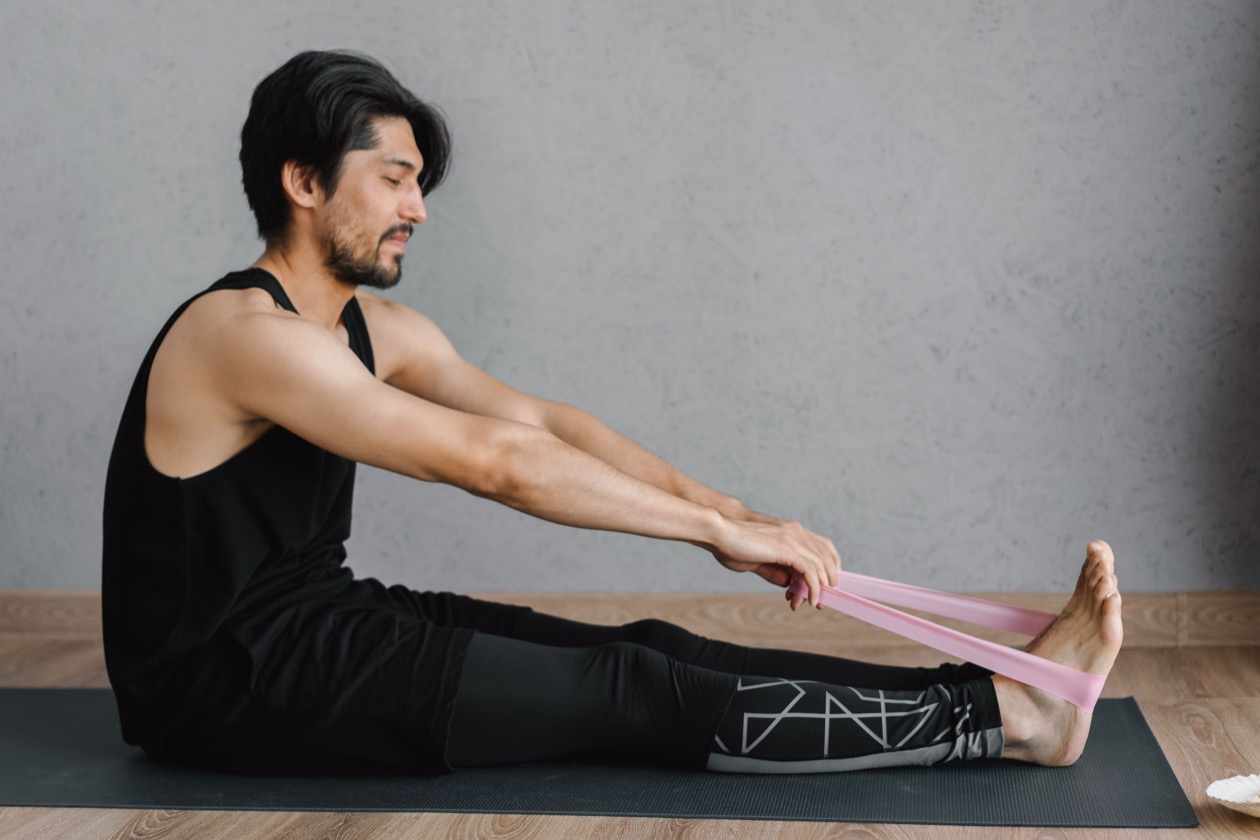
Resistance Bands vs Dumbbells: Which Is Better for Beginners?
Both resistance bands and dumbbells are excellent for building strength at home — but they work differently. Bands provide variable resistance that increases as you stretch, while dumbbells offer constant weight throughout the movement. The best choice depends on your goals, space, and budget.
According to the WHO physical activity guidelines, adults should include muscle-strengthening activities at least 2 days per week. Both bands and dumbbells can help you meet this recommendation.
How Resistance Bands Work
Resistance bands are elastic bands that stretch to create tension. The further you stretch them, the harder the exercise becomes. This is called variable resistance.
- Pros: Lightweight, portable, cheap ($5-$25), joint-friendly, great for rehabilitation
- Cons: Harder to track exact weight, bands wear out over time, limited heavy loading
- Best for: Beginners, travelers, rehab, warm-ups, high-rep endurance work
How Dumbbells Work
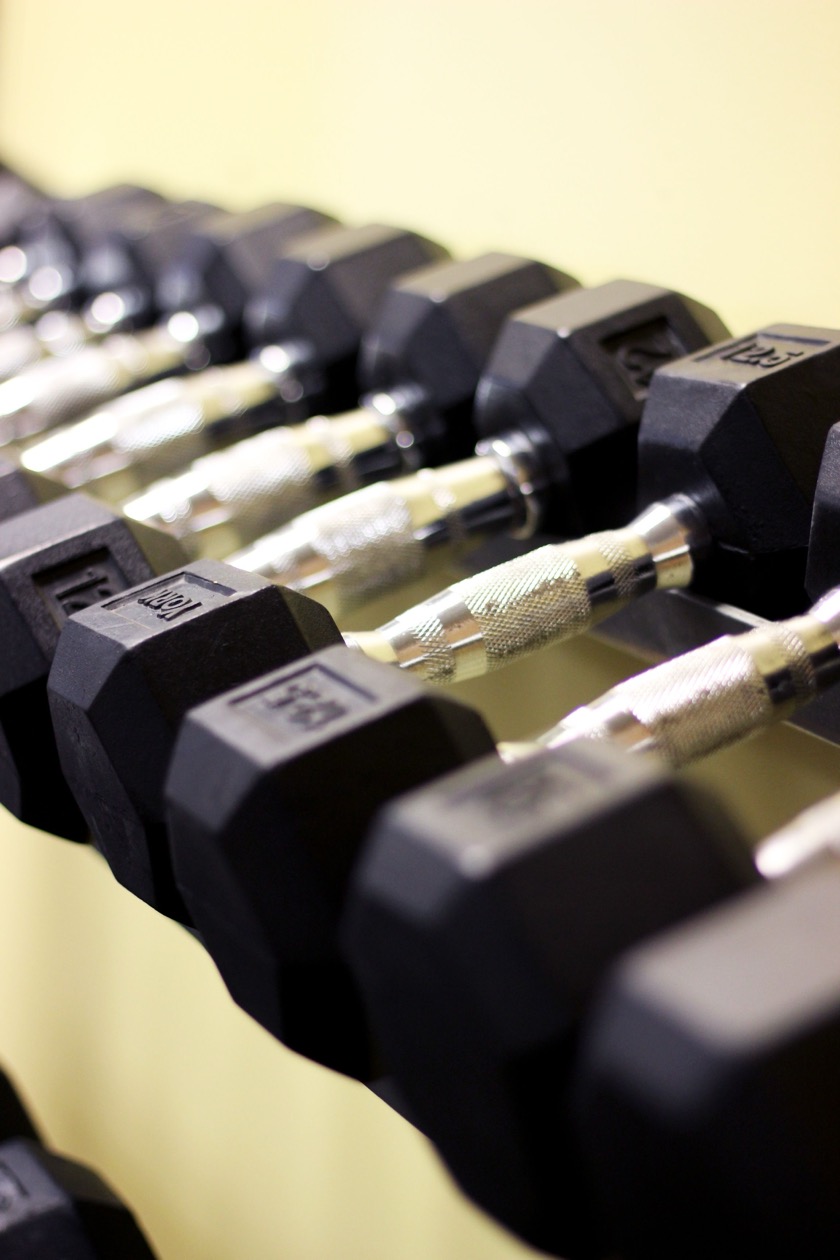
Dumbbells are fixed-weight handheld weights. The resistance stays the same throughout the entire movement — this is called constant resistance.
- Pros: Easy to track progressive overload, natural movement pattern, long-lasting, available in many weights
- Cons: Heavier to store, more expensive ($30-$300+), take up more space, risk of dropping
- Best for: Strength building, muscle growth, progressive overload, home gym permanence
Head-to-Head Comparison
| Feature | Resistance Bands | Dumbbells |
|---|---|---|
| Price | $5 – $25 | $30 – $300+ |
| Weight Range | 5 – 150 lbs (varies by stretch) | 1 – 100+ lbs (fixed) |
| Portability | Excellent — fits in a drawer | Poor — heavy and bulky |
| Space Needed | Minimal (1.2m x 1.2m) | Moderate (rack or shelf) |
| Progressive Overload | Harder to track | Easy — add 2.5-5 lbs |
| Joint Stress | Low — variable resistance | Moderate — constant load |
| Muscle Activation | High — constant tension | High — natural movement |
| Durability | 1-2 years (bands degrade) | 10+ years (metal lasts) |
| Exercises Possible | 50+ | 100+ |
Which Should You Choose?
Choose Resistance Bands If:
- You are a complete beginner — bands are forgiving and low-risk
- You have limited space — bands fit in a drawer
- You travel frequently — bands weigh almost nothing
- You are on a tight budget — a full set costs under $25
- You need rehabilitation — bands provide gentle, controlled resistance
Choose Dumbbells If:
- You want to build serious strength — progressive overload is easier
- You have a dedicated workout space — room for a rack or shelf
- You want long-term equipment — dumbbells last forever
- You prefer tracking exact weights — knowing you lifted 20 lbs vs 25 lbs
- You plan to progress to advanced training — heavier loads over time
The Best of Both Worlds
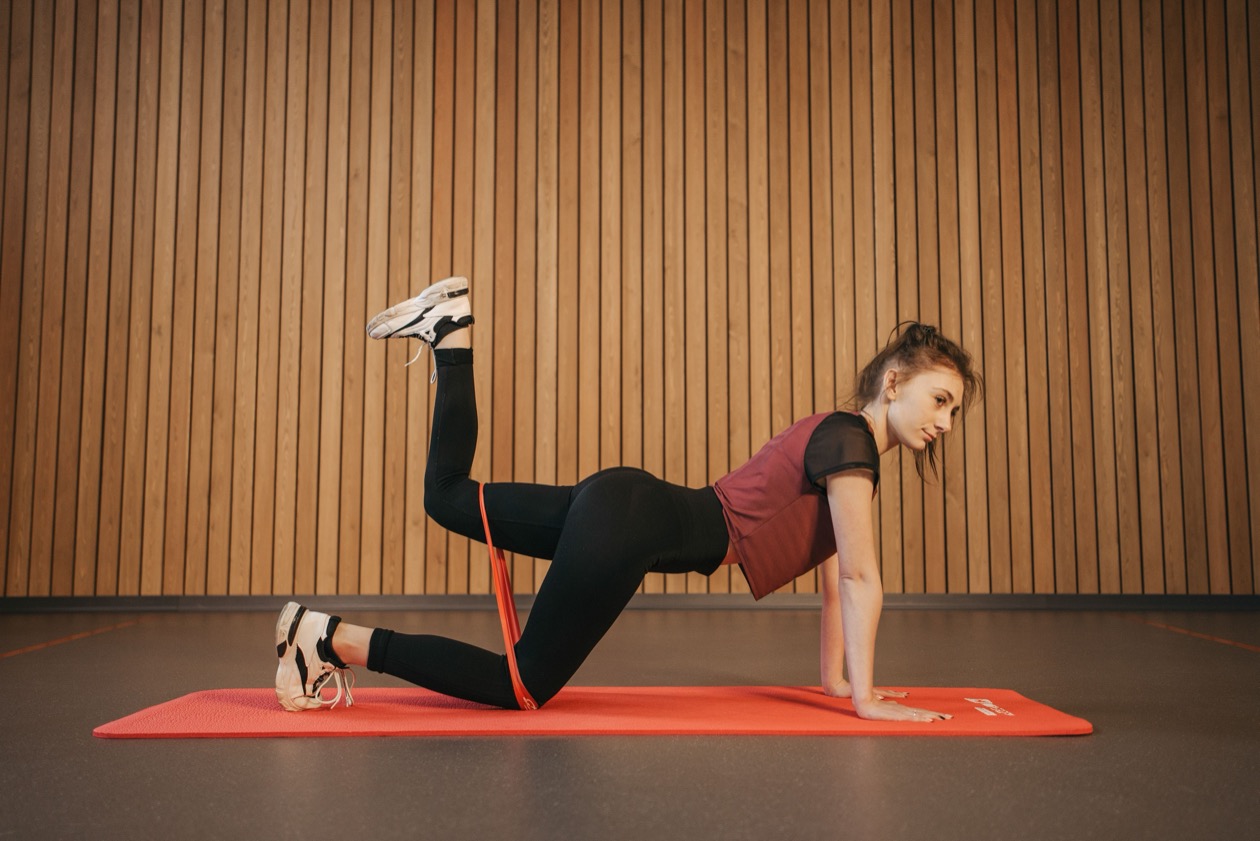
For most beginners, owning both is ideal. Use dumbbells for compound movements (squats, presses, rows) and bands for accessory work (pull-aparts, face pulls, banded stretches). A starter setup:
- Resistance band set: $15-$25 (3-5 bands with different tensions)
- Adjustable dumbbells: $100-$200 (5-50 lbs range)
- Total cost: Under $225 for a complete home gym
Sample Beginner Workouts
Bands-Only Workout (15 minutes)
| Exercise | Reps | Band Tension |
|---|---|---|
| Banded Squats | 15 | Medium |
| Banded Chest Press | 12 | Medium |
| Banded Rows | 12 | Heavy |
| Banded Lateral Raises | 15 | Light |
| Banded Glute Bridges | 15 | Heavy |
| Banded Bicep Curls | 12 | Medium |
Dumbbells-Only Workout (15 minutes)
| Exercise | Reps | Weight |
|---|---|---|
| Goblet Squats | 12 | 20 lbs |
| Dumbbell Press | 10 | 15 lbs each |
| Dumbbell Rows | 10 | 20 lbs each |
| Shoulder Press | 10 | 12 lbs each |
| Romanian Deadlift | 12 | 25 lbs each |
| Bicep Curls | 12 | 12 lbs each |
What to Do Next
- Start with our 5 bodyweight exercises that work your entire body
- Set up your space with our small space home gym guide
- Track your progress with our fitness habit tracker dashboard
Frequently Asked Questions
Can resistance bands build muscle like dumbbells?
Yes, but with limits. Bands provide excellent muscle activation for beginners and intermediate trainees. For advanced strength and muscle growth, dumbbells (or barbells) are more effective because they allow precise progressive overload with heavier loads.
How long do resistance bands last?
With regular use, resistance bands typically last 1-2 years. Inspect them regularly for tears, nicks, or loss of elasticity. Replace immediately if you see any damage — a snapping band can cause injury.
Should beginners start with bands or dumbbells?
Start with resistance bands if you are completely new to exercise. They are forgiving, cheap, and teach proper movement patterns with low injury risk. Once you can do 15+ reps comfortably, progress to dumbbells for heavier loading.
Disclaimer: The information provided by ReByte Talk Fitness is for educational purposes only. Consult a healthcare professional before starting any new exercise or lifestyle program.
How Bands and Dumbbells Feel in Real Workouts
The main difference for beginners is how the load feels during a rep. A dumbbell feels the same from start to finish. A 10 pound dumbbell is 10 pounds at the bottom, in the middle, and at the top. A band feels light at the start and hard at the end. As you stretch it, it pulls back more. This is called the tension curve.
Take a chest press. With a band, the start near your chest is easy. The last few inches are the hardest. With dumbbells, the hardest part is often near the bottom. Neither is better. Many beginners find bands kinder to learn with, while dumbbells build steady strength.
Legs feel the same way. A band squat is easy at the bottom and hard as you stand tall. A dumbbell goblet squat feels steady all the way up. Learn the move with a light band, then add a light dumbbell. For weekly activity goals, see the guide from WHO and the adult basics from CDC.
Joint feel is also different. Bands pull toward the anchor point, which can feel smooth on shoulders and elbows. Dumbbells pull straight down, so you must balance them. That balance is good training, but it can feel shaky on press or lunges. Start light and stop the set when form slips.
Simple Control Cues for Safe Reps
Use the same cues for both tools. Brace your core. Keep ribs down and back flat. Move for two seconds up and two seconds down. Breathe out on the push and breathe in on the way back. Keep knees and elbows soft at the top.
For bands, start with slight tension so the band does not jerk you. Press or pull in a straight line. For dumbbells, grip firm, keep wrists straight, and keep weights close on rows and squats. If you are still learning moves, start with a week of full body bodyweight exercises before you add load.
Cost, Space, and Noise: Best Pick for Apartments
Bands win on cost, space, and noise. A full band set often costs about $25 to $60 at a local store. It fits in a drawer. Training is near silent. Light fixed dumbbells can cost $30 to $80, while adjustable pairs can cost $120 to $300. They need floor space and a safe corner.
Noise matters in flats. Bands make no sound. Dumbbells can clank or thud. Use a mat and set them down soft. If space is tight, read this plan for a small space home gym in 1 to 2 meters.
| Factor | Bands | Dumbbells | Winner for beginners |
|---|---|---|---|
| Cost to start | About $25 to $60 for full set | About $30 to $300 by type | Bands |
| Space needed | Fits in drawer, train in 1 meter | Needs floor and storage space | Bands |
| Noise | Silent, good for thin walls | Can clank or thud | Bands |
| Feel of load | Light start, hard end range | Steady through full rep | Tie, use both |
| Progress path | Thicker band or more stretch | Small weight jumps | Dumbbells |
If you want to build a home corner step by step, see these home gym equipment essentials. Buy only what helps you train three times per week with no stress.
Starter Buys, Mistakes to Avoid, and Your 4-Week Test Plan
Keep your first buy simple. For bands, get three to five bands from light to heavy. Use light for shoulders and arms, medium for rows and press, and heavy for squats and deadlifts. Flat loops are good for legs. Tube bands with handles and a door anchor are good for press and row.
For dumbbells, most beginners do well with an adjustable pair from about 5 to 25 pounds per hand. That covers rows, presses, squats, lunges, and carries. If you buy fixed weights, try 8 to 15 pounds for upper body and 15 to 25 pounds for lower body. For how to demos, see the strength guide from Mayo Clinic. For health research, visit NIH. Elastic tools can build strength, as shown in this PubMed study.
- Pick loads you can control for 10 to 12 clean reps.
- Train full body 2 to 3 times per week with rest days.
- Track band color or dumbbell weight and reps.
- Add one rep or a bit more load each week.
- Rest 60 to 90 seconds, 2 minutes for legs.
Mistake one is a band that is too heavy. Signs are shrugged shoulders, bent wrists, or arched back. Fix it by going lighter and slowing down. Row for 2 seconds, hold 1 second, lower for 2 seconds. When you can do 3 sets of 12 with good shape, go one level up.
Mistake two is skipping the anchor check. Hook bands only to a strong door, rack, or post. Do not use glass, thin hooks, or wobbly chairs. Pull hard twice to test before each set. Keep the anchor at chest height for rows, low for squats, and high for pulldowns. Stand to the side of a door anchor. Check for nicks each week and replace worn bands.
Mistake three is bouncing reps. Bouncing uses speed, not muscle, and yanks joints at end range. Fix it with tempo. Count 2 up, 1 hold, 2 down. Pause at the hardest point. If you cannot pause, the load is too heavy. For dumbbell presses, stop one inch before lockout to keep work on muscles.
Now test both tools for four weeks. Weeks 1 and 2 are bands only. Train Monday and Thursday, or Monday, Wednesday, and Friday. Do band squat to a chair, band row, band chest press, band Romanian deadlift, and dead bug. Do 2 to 3 sets of 10 to 12 reps. Rest 60 to 90 seconds. Write down band color and reps. Goal is clean tempo and smooth joint feel.
Weeks 3 and 4 mix in dumbbells. Keep the same days. Swap two band moves for dumbbell moves. Try goblet squat, one arm row, floor press, Romanian deadlift, and farmer carry for 30 to 40 seconds. Do 3 sets of 8 to 12 reps. Keep one band move you liked as a finisher for 2 sets of 15 slow reps. If balance feels hard, drop 5 pounds and add a pause. At the end of week 4, keep the mix you liked best. Many beginners keep dumbbells for legs and rows, and bands for warm ups, press finishers, and travel. That split gives steady load plus quiet smooth reps.
RBTF Tip 1.2m × 1.2m is enough. Start with 5 minutes, keep the streak, and let small wins compound.

Your RBTF Coach
Rebyte.Talk · RBTF Coach
Helping beginners build 5-min habits in small spaces. No gym, no expensive gear — just consistent small wins.
More guides