Small Space Home Gym: How to Set Up a 1.2m x 1.2m Workout Area
Build a complete home gym in just 1.2m x 1.2m. This guide shows you how to set up a workout area in any small…

Small Space Home Gym: How to Set Up a 1.2m x 1.2m Workout Area
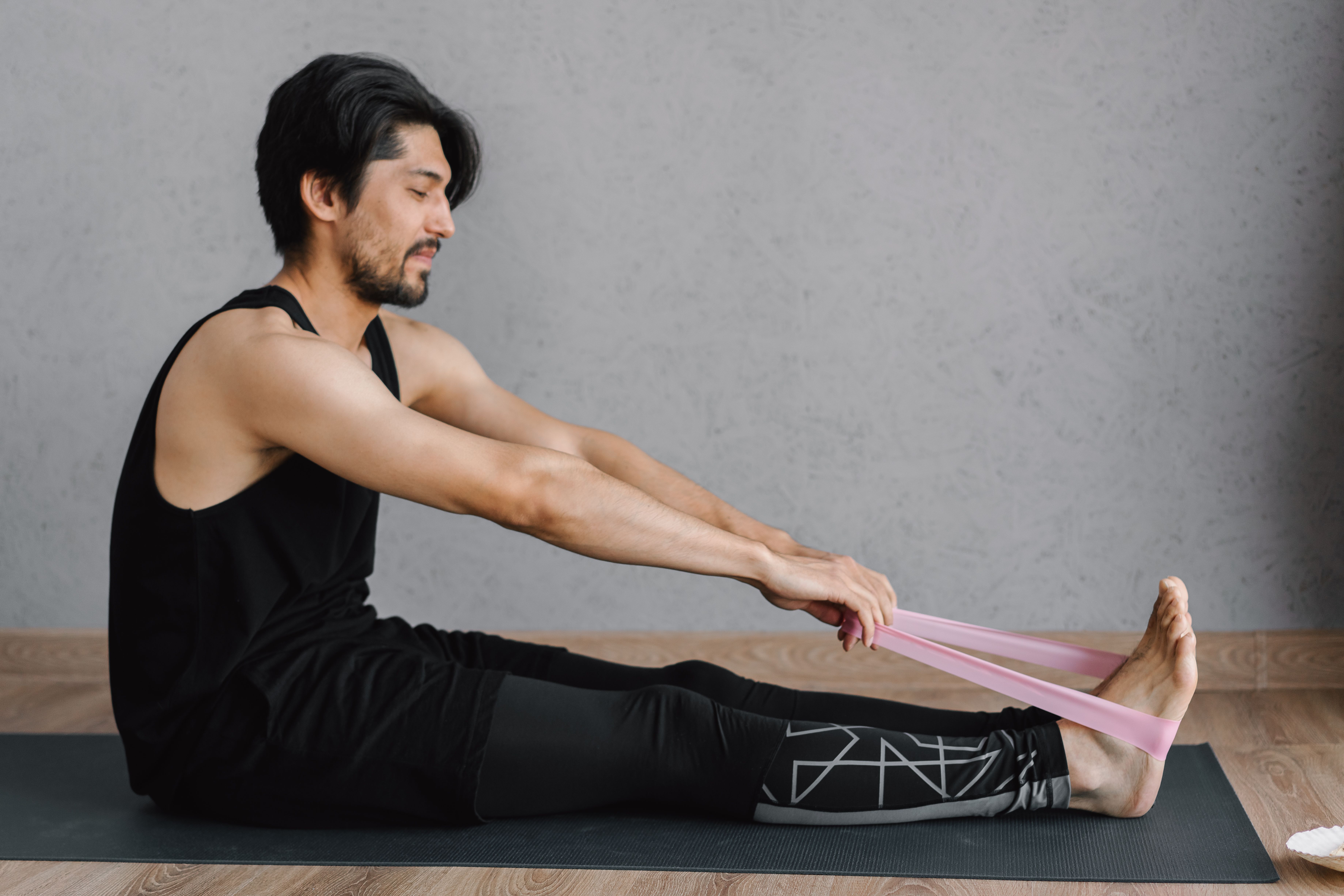
You only need a space the size of a yoga mat to get a complete workout at home. The average yoga mat is 1.2m x 1.2m (4ft x 4ft) — and that is exactly the amount of space you need to build a functional home gym that covers every muscle group.
Whether you live in a small apartment, share a room, or just do not have a dedicated workout space, this guide shows you how to create a 1.2m x 1.2m workout zone that fits in any corner of your home.
Why 1.2m x 1.2m Is Enough
Most people think they need a large room for a home gym. The truth: the best exercises require almost no space.
Consider what fits in a 1.2m x 1.2m area:
- Push-ups — 0.5m x 1m
- Planks — 0.5m x 1.5m (lying down)
- Glute bridges — 0.5m x 1.5m
- Seated exercises — 0.6m x 0.6m
- Standing exercises — 0.6m x 0.6m (squats, lunges, presses)
- Yoga flows — 0.6m x 1.8m
According to the WHO guidelines on physical activity, adults need at least 150 minutes of moderate-intensity activity per week. None of that requires a gym — it requires a small patch of floor and a plan.
Step 1: Choose Your Spot
Find a 1.2m x 1.2m area in your home that meets these criteria:
- Flat, hard surface — carpet works but a hard floor is better for stability
- Clear of obstacles — move furniture temporarily or find a permanent spot
- Near a wall — useful for wall sits, wall push-ups, and pull-up bars
- Good lighting — helps with motivation and form
- Ventilation — open a window or use a fan
Best spots in a small apartment:
- Corner of the bedroom (push the bed to one side)
- End of a hallway
- Space beside the sofa in the living room
- Balcony (if flat and sheltered)
- Next to the bed (for morning routines)
Step 2: Lay Your Foundation
Start with an exercise mat — this defines your workout zone and protects your floor.
Mat placement options:
- Permanently out — leave it rolled out in your chosen spot (visual cue to exercise)
- Daily setup — roll it out before each workout, roll it up after (builds ritual)
- Wall storage — lean against the wall when not in use (saves floor space)
Tip: If your mat is always visible, you are more likely to use it. This is the “visual cue” principle from habit research — the American Heart Association recommends making your habit trigger obvious and accessible.
Step 3: Store Equipment Vertically
In a 1.2m x 1.2m space, horizontal storage is impossible. Go vertical:
- Wall hooks — hang resistance bands, jump ropes, and yoga straps
- Over-the-door organizer — store small items (bands, gloves, timer)
- Under-bed storage — slide dumbbells and kettlebells under the bed
- Corner shelf — place water bottle, towel, and phone stand
- Stackable bins — store equipment inside when not in use
Step 4: Equipment That Fits
These items fit in a 1.2m x 1.2m space and provide a complete workout:
| Equipment | Size | Storage | Exercises |
|---|---|---|---|
| Exercise Mat | 1.2m x 0.6m | Floor or wall | 15+ |
| Resistance Bands | Fits in a drawer | Wall hooks | 20+ |
| Adjustable Dumbbells | 0.3m x 0.3m each | Under bed | 30+ |
| Kettlebell | 0.25m x 0.25m | Corner or under bed | 10+ |
| Doorway Pull-Up Bar | Doorway | Installed in door | 5+ |
Step 5: Create Your Workout Zone
Here is a complete 1.2m x 1.2m setup layout:
- Center: Exercise mat (0.6m x 1.2m) — your primary workout area
- Left corner: Dumbbells stored under bed or on a small shelf
- Right corner: Water bottle and phone/timer on a small stool
- Wall above: Resistance bands hanging on hooks
- Doorway nearby: Pull-up bar installed (if available)
Total floor space used: 1.2m x 1.2m = 1.44 square meters. That is smaller than a standard dining table.
Sample 15-Minute Small Space Workout
This entire workout fits in your 1.2m x 1.2m zone:
| Exercise | Time/Reps | Equipment |
|---|---|---|
| Jumping Jacks (in place) | 60 sec | None |
| Push-Ups | 15 reps | Mat |
| Glute Bridges | 15 reps | Mat |
| Dumbbell Rows | 12 per arm | Dumbbells |
| Plank Hold | 30 sec | Mat |
| Banded Squats | 15 reps | Resistance band |
| Seated Calf Raises | 20 reps | Dumbbell on lap |
| Dead Bug | 10 per side | Mat |
Repeat 2–3 rounds. Total time: 15 minutes.
Tips for Small Space Success
- Keep it simple — you do not need 20 pieces of equipment. 3–5 items is enough
- Clean up after — put equipment back in its storage spot after every workout
- Use bodyweight — most exercises in a small space are bodyweight-only
- Go vertical — hang bands on walls, store weights under furniture
- Make it permanent — if possible, leave your mat out as a visual reminder
What to Do Next
- Get the right equipment with our 5 essential home gym equipment pieces
- Start training with the 5 bodyweight exercises that work your entire body
- Build your habit with the workout habit guide
Frequently Asked Questions
How much space do I really need for a home gym?
A standard yoga mat is 1.2m x 1.2m — that is all the space you need for most bodyweight and dumbbell exercises. You can fit a complete home gym setup in the corner of a bedroom, the end of a hallway, or beside your bed. The key is vertical storage for equipment.
Can I get a good workout in a tiny apartment?
Absolutely. Bodyweight exercises like push-ups, planks, glute bridges, and squats require zero equipment and minimal space. Add a pair of dumbbells and resistance bands, and you can train every muscle group effectively in under 1.5 square meters.
How do I keep my small space organized?
Use wall hooks for resistance bands, under-bed storage for dumbbells, and an over-the-door organizer for small items. Always put equipment back after your workout. The less clutter visible, the more likely you are to use the space consistently.
Disclaimer: The information provided by ReByte Talk Fitness is for educational purposes only. Consult a healthcare professional before starting any new exercise or lifestyle program.
Map Your 1.2m by 1.2m Square in 10 Minutes
A 1.2m by 1.2m spot fits push-ups, squats, lunges, planks, and stretches if you mark clear edges. Take ten minutes to tape it, test it, and clear it. You will move with ease and keep at it longer. If you are new to home training, start with this short list of home gym equipment essentials so you buy less and use more.
- Pick open floor by a plain wall with a door you can shut. Keep the door side free.
- Mark 1.2m per side with painter tape. Use shoes to mark lines on soft carpet.
- Set the mat in the middle. Sit, lie down, and stand wide. Stay inside the lines.
- Test a squat, a lunge, and a plank. If knees or elbows hit items, shift the square.
- Photo the space from the door and from high up. Keep shots to reset the spot fast.
Your phone is a free plan tool. Take one wide shot from the door, then one top-down shot from a chair. Look for cords, bins, and legs that jut past the tape. Move them now. Check that the mat sits in the center with light on it. Clear shots help you spot lost space in seconds. The World Health Organization facts on being active note that short bouts add up, which suits a small pad used each day.
| Zone | What goes there | Size tip |
|---|---|---|
| Mat Center | mat, body, small towel, phone timer | pick a mat near 120cm long to match tape lines |
| Wall Side | wall for foot taps, timer, water bottle, band on hook | keep 15cm clear at base so heels stay off the wall |
| Door Side | open entry, shoes to one side, nothing tall | leave 60cm open so you can step in and lunge safe |
Keep the center bare. Only towel and timer stay with you as you train. Use the wall side for help and storage. One hook holds one band. The floor holds the bottle. Leave the door side open at all times for entry, wide stance, and air flow. Do not stack boxes there. A clear entry makes the spot feel big. For moves that fit this exact size, try these full body bodyweight moves that need no big tools.
Keep It Quiet, Safe, and Clear in an Apartment
Thin floors need soft steps. Use a mat 6mm to 15mm thick. Pick 6mm for balance and planks. Pick 10mm to 15mm to cut thumps for kneeling and jumps. Add a flat rug pad below if you can. Many sets cost near $35 on sale. Wear soft flat shoes or thick socks. Land toe to heel, bend knees, and keep reps smooth. The CDC guide for grown-ups lists weekly goals you can split into short quiet sets.
Set quiet hours and keep them. Skip jumps and fast feet before 8 in the morn and after 8 at night. Save loud moves for midday. Tell folks below when you train and ask what suits them. Use ear buds and keep music low. Wipe sweat fast so the mat does not slide. Crack a pane or door for five minutes plus a small fan on low for air. For pose help on squats and planks, see this plain guide to bodyweight basics from Mayo Clinic with photos and steps.
3 Small Space Mistakes to Fix This Week
Mistake 1 is gear creep. One band grows into boxes and piles that eat your lunge space. Fix it with a one-bin rule. All gear must fit in one bin by the wall. Keep one band, one towel, one pair of shoes, and one bottle. Hang the band on a hook. The National Institutes of Health site shares free tips that favor plain daily steps over fancy gear.
Mistake 2 is no light or air. A dark stale corner saps drive and you skip days. Fix it fast. Add a bright bulb at the wall side and face the light. Open the door or pane as you train. Add a small plant or bright photo at eye height. Keep the floor clean so socks grip. For more on why brief daily motion counts, see this PubMed record on daily motion.
Mistake 3 is blocking the door. Bags and shoes pile at the entry so you must climb in. You quit. Fix it by taping a 60cm lane from door to mat and keep it bare. Set shoes on a tray to the side, never in the lane. Swing the door wide while on the mat to test fit. If it clips you, shift six inches to the wall. Then lock the loop. Set shoes out at night, train at the same hour, and tick a wall chart. This guide on how to build a workout habit that sticks shows how small cues keep you going.
RBTF Tip 1.2m × 1.2m is enough. Start with 5 minutes, keep the streak, and let small wins compound.

Your RBTF Coach
Rebyte.Talk · RBTF Coach
Helping beginners build 5-min habits in small spaces. No gym, no expensive gear — just consistent small wins.
More guides