How to Set Up a Home Gym in Your Bedroom
Learn how to create an effective home gym in your bedroom using smart storage, space-saving equipment, and clever organization. Start your fitness journey without…

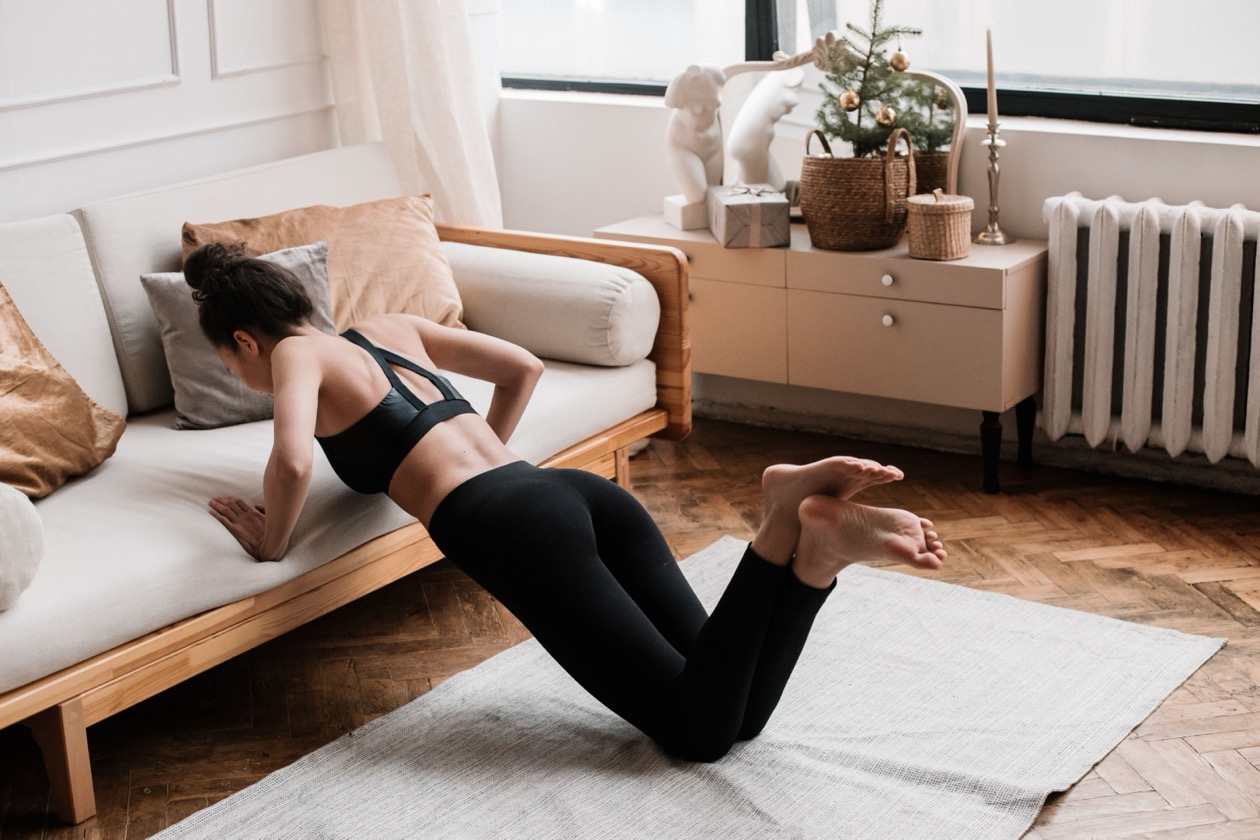
How to Set Up a Home Gym in Your Bedroom
You don’t need a spare room or basement to have an effective home gym. Your bedroom can become a functional workout space with smart organization, multi-functional equipment, and clever storage solutions. This guide shows you how to create a bedroom home gym that works for your space, budget, and fitness goals.
According to the WHO guidelines on physical activity, adults should engage in muscle-strengthening activities at least 2 days per week. A bedroom home gym makes it easy to meet this recommendation without leaving your room.
Assessing Your Bedroom Space
Before buying equipment, evaluate your bedroom’s layout and constraints:
- Measure your available space: Look for at least 1.2m x 1.2m (4ft x 4ft) of clear floor space
- Identify dead zones: Areas under beds, behind doors, or in closets that can store equipment
- Consider ceiling height: Important for exercises like jumping jacks or overhead presses
- Note window and door placement: Ensure equipment doesn’t block emergency exits or natural light
- Assess flooring: Carpet works for many exercises, but hard surfaces are better for balance work
Most bedrooms can accommodate a functional workout space even if they’re small. The key is vertical storage and multi-functional equipment.
The 1.2m x 1.2m Principle
Remember: you only need a space the size of a yoga mat (approximately 1.2m x 1.2m) for an effective workout. This footprint allows you to perform:
- Bodyweight exercises: Push-ups, planks, squats, lunges, glute bridges
- Resistance band work: Rows, chest presses, lateral walks, bicep curls
- Dumbbell exercises: Rows, presses, curls, deadlifts (light to moderate weight)
- Yoga and stretching: Full range of motion exercises
- Core work: All variations of planks, crunches, and leg raises
Essential Equipment for a Bedroom Home Gym
Start with these space-efficient, versatile basics:
| Equipment | Size When Stored | Exercises Possible | Storage Solution |
|---|---|---|---|
| Exercise Mat | 1.2m x 0.6m (rolled) | 30+ | Lean against wall or under bed |
| Resistance Bands (Set) | Fits in a drawer | 50+ | Drawer, door hanger, or wall hook |
| Adjustable Dumbbells | 0.3m x 0.3m each | 100+ | Under bed, in closet, or on shelf |
| Doorway Pull-Up Bar | Installed in doorframe | 20+ | Uses existing doorframe |
| Folding Weight Bench | 0.6m x 0.3m (folded) | 30+ | Lean against wall or under bed |

Step-by-Step Setup Guide
Step 1: Clear and Clean Your Space
Remove clutter from your potential workout area. Even if it’s just a corner, make it clean and inviting. A tidy space psychologically prepares you for exercise.
Step 2: Lay Down Your Exercise Mat
Place your exercise mat in your chosen workout zone. This defines your exercise area and protects your flooring. Consider leaving it partially unfolded as a visual cue to exercise.
Step 3: Set Up Vertical Storage
Install wall hooks or an over-the-door organizer for:
- Resistance bands
- Jump rope
- Yoga strap
- Lightweight dumbbells (if using fixed weight)
Use adhesive hooks if you can’t drill into walls.
Step 4: Store Heavier Equipment
Place heavier items where they’re accessible but out of the way:
- Under the bed: Ideal for dumbbells, kettlebells, and weight plates
- In the closet: Store on shelves or in bins
- Behind the door: Use an over-the-door organizer for small items
- On a bookshelf: Mix with books to disguise fitness equipment
Step 5: Create a Workout Flow
Arrange your space for logical exercise progression:
- Start with mat-based exercises (warm-up, core)
- Move to standing exercises (squats, lunges, presses)
- Finish with stretching or cool-down on the mat
Keep frequently used items within arm’s reach of your mat.
Sample Bedroom Gym Layouts
Option A: Corner Setup (1.2m x 1.8m)
Ideal for bedrooms with unused corners:
- Wall 1: Resistance bands on hooks, jump rope hanging
- Wall 2: Folding bench leaned vertically
- Floor: Exercise mat covering 1.2m x 1.2m area
- Under bed: Dumbbells stored in a bin or wrapped in a towel
- Closet shelf: Yoga mat rolled, foam cushion for core work
Option B: Bedside Setup (1.2m x 1.2m)
Perfect for sharing a bedroom or very small spaces:
- One side of bed: Exercise mat laid out
- Opposite side: Nightstand with water bottle and timer
- Wall above bed: Resistance bands and yoga strap on hooks
- Under bed: Dumbbells in a slim container
- Door: Pull-up bar installed (if door opens outward)
Option C: Closet Conversion (1.0m x 1.2m)
If you have a spare closet:
- Floor: Interlocking foam tiles for cushioning
- Walls: Mirror on one door to check form
- Ceiling: Hook for suspension trainer or resistance bands
- Shelving: Hold dumbbells, resistance bands, and small props
- Door: Keep clear for easy access
Bedroom-Specific Considerations
Noise Management
- Choose exercises that minimize impact (no jumping if downstairs neighbors)
- Use a thick exercise mat to dampen sound
- Opt for resistance bands and bodyweight exercises over heavy weights
- Consider working out during reasonable hours (7am-9pm)
Lighting and Atmosphere
- Use natural light when possible (morning workouts)
- Add a small lamp for evening workouts
- Keep the space ventilated — open a window or use a fan
- Consider a small speaker for music or workout videos
Sleep Hygiene
- Keep workout equipment tidy and out of sight when not in use
- Separate your sleep mindset from workout mindset
- If possible, store equipment in a closet or under cover
- Make your bed immediately after working out to transition back to sleep mode
Beginner Bedroom Workout Routine (15 minutes)
This complete workout fits in any bedroom:
| Exercise | Sets x Reps | Equipment | Rest |
|---|---|---|---|
| Jumping Jacks | 3 x 30 seconds | None | 30 seconds |
| Push-Ups (knees or toes) | 3 x 10-15 | Mat | 30 seconds |
| Glute Bridges | 3 x 15 | Mat | 30 seconds |
| Dumbbell Rows | 3 x 12/arm | Dumbbells | 30 seconds |
| Standing Overhead Press | 3 x 12 | Dumbbells | 30 seconds |
| Banded Squats | 3 x 15 | Resistance band | 30 seconds |
| Plank Hold | 3 x 20-30 seconds | Mat | 30 seconds |
Total time: Approximately 15 minutes including rest periods.
What to Do Next
- Start with our 5 bodyweight exercises that work your entire body
- Get the essentials with our Resistance Bands vs Dumbbells guide
- Track your consistency with our fitness habit tracker dashboard
Frequently Asked Questions
Will working out in my bedroom disturb my sleep?
It can if you don’t establish boundaries. Finish workouts at least 90 minutes before bedtime, keep equipment tidy, and consider a post-workout shower to transition your body from exercise mode to rest mode.
What if I share my bedroom with a partner or roommate?
Communication is key. Establish workout times that work for both of you, use headphones for any audio, and keep your equipment neat and contained. Many couples find that working out together increases accountability and fun.
How much weight should I start with for dumbbells?
Begin with a weight that allows you to complete 12-15 repetitions with good form. For most beginners, this is 5-10 lbs for upper body exercises and 10-15 lbs for lower body exercises. Adjustable dumbbells let you start light and increase as you get stronger.
Can I get a good cardio workout in a bedroom?
Absolutely! High-intensity interval training (HIIT) with bodyweight exercises like jumping jacks, mountain climbers, high knees, and burpees provides excellent cardiovascular benefits in minimal space. Try 20 seconds on, 10 seconds off for 8-10 minutes.
Disclaimer: The information provided by ReByte Talk Fitness is for educational purposes only. Consult a healthcare professional before starting any new exercise or lifestyle program.
Bedroom Gym Layout That Fits Bed and Mat
Start with your 1.2m mat, as it sets your workout zone. Test two spots. First try the bed side, with the long edge next to the bed. This is best for stretch, core, and floor work right after you wake up. Next try the door side, with room to open the door fully. This is often better for squats, lunges, and standing moves as you have more light and head room. Pick the side where you can reach arms wide without hitting lamps or shelves.
Keep gear off the floor with simple storage. Slide a low tray on wheels under the bed for bands and rope. Many cost about $25. Pull it out to train, then push it back in one minute. Add two hooks behind the door for your bag and towel. This keeps sleep space calm and setup fast. For a basic gear list see this guide to home gym equipment essentials. For spacing and mat size see this small space 1.2m setup.
| Bedroom zone | Use | Tip |
|---|---|---|
| Bed side | Mat base for stretch and core | Leave 30 cm gap so knees clear the frame |
| Door side | Standing moves like squats | Keep 1 m clear for safe steps |
| Under bed | Tray for bands and small tools | Use a lidded tray to block dust |
| Behind door | Hooks for bag and towel | Use hooks rated for 5 kg or more |
Use light and fresh air to stay sharp. Crack a window before you start and face light if you can. Keep water and a towel at the top of the mat so you do not step off mid set. The World Health Organization notes on physical activity show that short daily bouts add up. The CDC adult activity basics list a weekly target you can split into small bedroom sessions.
Quiet, Safe, and Roommate Friendly Training
Shared walls need low noise. Use a mat at least 6 mm thick, with 8 to 10 mm best for joints and sound. Set it on flat floor, not a loose rug that slides. Wear soft socks and skip jumps during quiet hours, such as before 8 in the morning and after 9 at night. Pick quiet swaps like slow squats, holds, and steps. Vent for 5 to 10 minutes after you sweat to clear heat and smell. A small fan helps with no window. For quiet moves try these full body bodyweight exercises that need no drops.
Make the floor stable and lift with care. Press and twist on the mat. If it moves, shift to bare floor or add a non slip pad. Never lift dumbbells on the bed. The soft top lets weights roll and strains wrists from a poor angle. Lift only from the floor. If you use a doorway bar, check the frame each time. Look for solid trim with no cracks or loose paint. Confirm width and weight limit in the manual, then test with a light hang. The Mayo Clinic bodyweight basics share form tips that cut strain. The National Institutes of Health share free guides on movement and healthy habits.
3 Bedroom Mistakes and Easy Fixes
- Mistake 1: Gear lives on the bed. Piles on pillows hurt sleep and can fall. Fix it with tray plus hooks. Coil bands after each use and slide the tray back. This study on exercise habit formation shows a set place and time helps habits stick.
- Mistake 2: Mat blocks the closet. If you must move the mat to get clothes, you will skip sessions. Fix it by keeping the mat on the bed side or door side only. Mark corners with tape dots for fast setup.
- Mistake 3: Loud late night training. Jumps at night shake the room and wake others. Fix it with a quiet night plan of push ups, glute bridges, and stretch. Save jumps for midday and share your hours.
End each session the same way. Roll the mat to a corner, push the tray under the bed, hang the towel, and air the room. A quick reset keeps the room neat for sleep and ready to train.
RBTF Tip 1.2m × 1.2m is enough. Start with 5 minutes, keep the streak, and let small wins compound.

Your RBTF Coach
Rebyte.Talk · RBTF Coach
Helping beginners build 5-min habits in small spaces. No gym, no expensive gear — just consistent small wins.
More guides