How to Warm Up Before a Home Workout (No Equipment)
Learn how to properly warm up before your home workout with zero equipment. Prevent injury, improve performance, and get the most out of your…

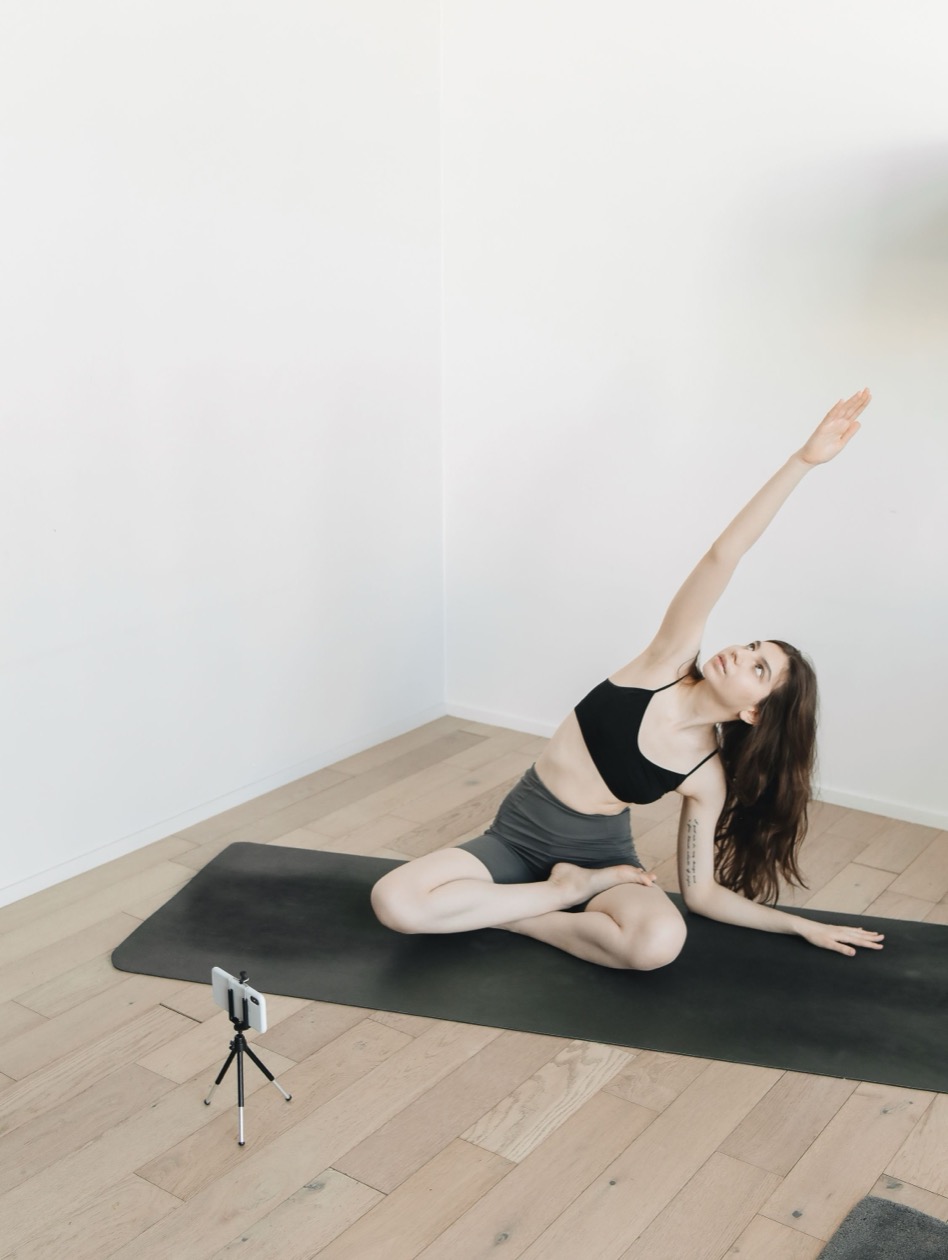
How to Warm Up Before a Home Workout (No Equipment)
A proper warm-up is the difference between a great workout and a painful injury. Even if you’re working out at home with no equipment, taking 5-10 minutes to warm up prepares your body for exercise, improves performance, and significantly reduces your risk of strains, sprains, and other workout-related injuries.
According to the CDC, warming up before exercise increases blood flow to your muscles, raises your body temperature, and improves flexibility — all essential components of a safe and effective workout.
Why Warm Up Matters
Skipping your warm-up is like driving a car in freezing weather without letting the engine idle first. Here’s what happens when you warm up properly:
- Increased blood flow: More oxygen and nutrients reach your working muscles
- Higher muscle temperature: Warm muscles contract more forcefully and relax faster
- Improved range of motion: Your joints move more freely through their full range
- Enhanced nerve signaling: Your brain communicates more efficiently with your muscles
- Mental preparation: You shift from daily activities to workout focus
A 2007 review in Sports Medicine found that warm-ups improve performance in 79% of the criteria examined across various sports and activities.
The Difference Between Warm-Up and Stretching
Many people confuse warming up with stretching. They serve different purposes:
| Aspect | Warm-Up | Stretching |
|---|---|---|
| Purpose | Prepare body for activity | Improve flexibility |
| Timing | Before workout | After workout or separate session |
| Intensity | Low to moderate | Low |
| Movement Type | Dynamic (moving) | Static (holding) |
| Duration | 5-10 minutes | 15-60 seconds per stretch |
Key difference: Warm-up gets your body ready to work; stretching improves your body’s ability to move. Both are important, but they happen at different times in your workout routine.
The 5-Minute No-Equipment Warm-Up Routine
This complete warm-up requires zero equipment and can be done anywhere in your home:
| Exercise | Duration | What It Does | How To |
|---|---|---|---|
| March in Place | 60 seconds | Gentle cardiovascular warm-up | Lift knees slightly, swing arms naturally |
| Arm Circles | 30 seconds forward, 30 seconds backward | Warms up shoulder joints | Extend arms to sides, make small to large circles |
| Torso Twists | 45 seconds | Loosens spine and core | Feet hip-width apart, rotate torso side to side |
| Leg Swings (Front-Back) | 30 seconds each leg | Warms up hip joints | Hold wall for balance, swing leg forward and back |
| Leg Swings (Side-Side) | 30 seconds each leg | Prepares hips for lateral movement | Hold wall for balance, swing leg side to side |
| Walking Lunges | 45 seconds | Activates legs and improves balance | Step forward, lower hips, alternate legs |
| High Knees | 45 seconds | Increases heart rate and coordination | Drive knees up toward chest, pump arms |
| Butt Kickers | 45 seconds | Warms up hamstrings | Heels toward glutes, quick pace |
| Inchworms | 45 seconds | Warms up entire posterior chain | From standing, walk hands out to plank, walk feet to hands |
Total time: Approximately 7 minutes. Repeat the circuit if you have more time or feel particularly tight.
Sport-Specific Warm-Up Variations
Tailor your warm-up to your planned workout:
For Strength Training (Weight Lifting)
- Add 2 sets of 10 bodyweight squats
- Include 2 sets of 10 push-ups (on knees if needed)
- Do 2 sets of 10 glute bridges
- Include scapular push-ups (push-up position, pinch shoulder blades together)
For Cardio (Running, Dancing, HIIT)
- Increase marching/jacking time to 2 minutes
- Add 30 seconds of side shuffles each direction
- Include 30 seconds of karaoke steps (cross-behind steps)
- Finish with 30 seconds of slow jogging in place
For Flexibility Work (Yoga, Stretching)
- Focus on joint mobility exercises (ankle circles, wrist circles)
- Include cat-cow stretches on your mat
- Add dynamic lunges with a twist
- Finish with flowing movements like sun salutations
Common Warm-Up Mistakes to Avoid
- Skipping it entirely: “I’ll just start easy” is a recipe for injury
- Doing static stretches first: Save stretching for after your workout
- Going too hard too soon: Warm-up should gradually increase intensity
- Ignoring tight areas: Spend extra time on areas that feel particularly stiff
- Making it too long: A warm-up should prepare you, not fatigue you
- Inconsistency: Warm up every time, even for short workouts
What to Do Next
- Try our 5-minute full body stretch routine for your cool-down
- Pair with our 5 bodyweight exercises that work your entire body
- Track your workout consistency with our fitness habit tracker dashboard
Frequently Asked Questions
How long should I warm up?
Aim for 5-10 minutes. If you’re older, have been sedentary, or are doing an intense workout, lean toward 10 minutes. If you’re young, active, and doing a light workout, 5 minutes may be sufficient.
Can I warm up in bed?
While some gentle movements in bed can help you wake up, a proper warm-up requires standing and moving through a full range of motion. Get out of bed for your warm-up to properly prepare your body.
What if I’m short on time?
Even 2-3 minutes of marching in place with arm circles is better than nothing. Focus on the major muscle groups you’ll be using in your workout.
Should I warm up differently in hot weather?
Yes! In hot environments, you may need less time to raise your body temperature. Focus more on joint mobility and movement preparation rather than raising heart rate significantly.
Disclaimer: The information provided by ReByte Talk Fitness is for educational purposes only. Consult a healthcare professional before starting any new exercise or lifestyle program.
Why Five Minutes Makes Home Workouts Feel Easier
A short warm-up helps your body shift from rest to work. You move a little, breathe a little faster, and feel warmer. Your heart rate climbs step by step. Your joints feel less stiff. That slow rise is the goal. It helps you start your main set feeling ready, not rushed.
Think of joint fluid like oil for hinges. When you sit a lot, hips, knees, and shoulders can feel creaky. Gentle circles and easy bends help spread that fluid. You do not need a long routine. Five minutes of light motion works for most home sessions. To see why daily motion matters, read the World Health Organization guide on physical activity and the Centers for Disease Control adult activity basics.
Your heart likes a slow start too. If you jump into fast squats right away, your chest pounds and your legs burn fast. Start with marching in place, arm swings, and side steps. Let your pulse rise a bit each minute. After three to four minutes you should feel warm but still fresh. That means you are ready for harder work.
Use a simple effort scale from zero to ten. Zero is rest on the couch. Ten is an all-out sprint. Aim for a three to four in your warm-up. That is light to a bit tiring. Use the talk test. You should be able to talk in short sentences. Try saying, I feel warm and I can keep going. If you cannot finish that short line, slow down. If you can sing with ease, move a bit faster. This check keeps day one safe and steady.
Five minutes also sets your focus. Clear a small space. Put water nearby. Stand tall with your belly firm. Breathe in through your nose and out through your mouth. Move smooth, not fast. Keep reps clean. Finish feeling like you could do more. For a calm follow up, try this 5-minute full-body stretch routine after your session.
A Simple Joint by Joint Warm-Up Order for Home
Go from top to bottom so you miss nothing. Give each joint about thirty seconds. Do one pass, then repeat with slightly bigger motion. You need no gear and only a little floor space. Keep all effort at level three to four.
Start with the neck. Look left, then right, slowly. Then tilt ear toward shoulder, side to side. Keep shoulders down. Do not force range. Next do shoulders. Roll up, back, and down. Then do small arm circles that grow larger. Keep elbows soft and chest tall. Next do hips. Stand with feet hip width apart. Circle hips like a hula hoop. Switch sides after fifteen seconds. Keep knees soft and belly firm.
Then wake up knees and ankles. For knees, rest hands lightly on thighs and do soft mini bends. Keep weight even on both feet. For ankles, lift one foot and draw slow toe circles. Switch feet. Finish with ten slow calf raises while holding a wall. This leg prep helps squats and lunges feel smoother. When you are warm, pick one or two moves from these full-body bodyweight exercises for your main set.
| Joint | Move | Time | Form cue |
|---|---|---|---|
| Neck | Slow turns and side tilts | 30 sec | Chin level, shoulders down, small range |
| Shoulders | Rolls to arm circles | 30 sec | Chest tall, start small then grow |
| Hips | Standing hip circles | 30 sec | Feet still, belly firm, smooth turn |
| Knees | Soft mini bends | 30 sec | Knees over toes, weight even |
| Ankles | Toe circles plus calf raises | 30 sec | Hold wall, slow lower, straight heel |
Add thirty seconds of marching at the start and thirty seconds of side steps at the end to reach five minutes. If space is tight, stay in one spot. If one joint feels stiff, give it ten extra seconds and shorten an easy area. For tips on safe form, see Mayo Clinic on stretching and warm-up form. For research updates on health and motion, visit National Institutes of Health.
Three Warm-Up Mistakes and Easy Fixes
Most warm-ups fail for the same three reasons. Each fix takes less than a minute. Check your own flow, then test one fix next time. You can find background on warm-up effects in this PubMed warm-up review.
- Long holds while cold. Holding a deep stretch for thirty to sixty seconds before you move can feel tough when you are stiff. Save long holds for after your workout. Before your workout, use motion. Swap a deep hamstring hold for ten leg swings per side. Swap a long chest hold for ten arm hugs that open and close.
- Starting too hard. Fast jumping jacks or fast burpees in minute one spike your heart rate. Breath gets short and form slips. Fix it with steps. Minute one is level two to three. Minute three is level three. Minute five is level four. Start with marching, then step touches, then slow squats. For a planned next step, try this 10-minute morning workout for beginners with no equipment at an easy pace.
- Skipping ankles. Ankles bend in every squat, lunge, and step. Stiff ankles can lift heels early or push knees too far. Fix it with thirty seconds per day. Do ten slow circles each way per foot. Then do ten calf raises with a three second lower. Then do five knee over toe rocks per leg while holding a wall. Keep heels down.
Ask three checks each time. Did I use motion, not just holds. Did I stay at level three to four. Did I include ankles. Three yes answers means a solid warm-up. If not, fix one thing next time. Small wins build trust.
Now build a two week habit. In week one, do the same five minute flow each day. Same order. Same moves. Same time if you can. Put shoes by your mat. Play the same song. Mark each day on paper. Five checks is a win. In week two, add just one move. Good picks are glute bridges, bird dogs, or slow bodyweight squats. Do eight to ten slow reps after your five minutes. Keep the base flow the same. After fourteen days you will know it by heart. Less thought, more motion, better workouts.
RBTF Tip 1.2m × 1.2m is enough. Start with 5 minutes, keep the streak, and let small wins compound.

Your RBTF Coach
Rebyte.Talk · RBTF Coach
Helping beginners build 5-min habits in small spaces. No gym, no expensive gear — just consistent small wins.
More guides