5-Minute Full Body Stretch Routine (Do This Daily)
Do this 5-minute full body stretch routine daily to reduce muscle tension, improve flexibility, and prevent injury. No equipment needed. Start today!

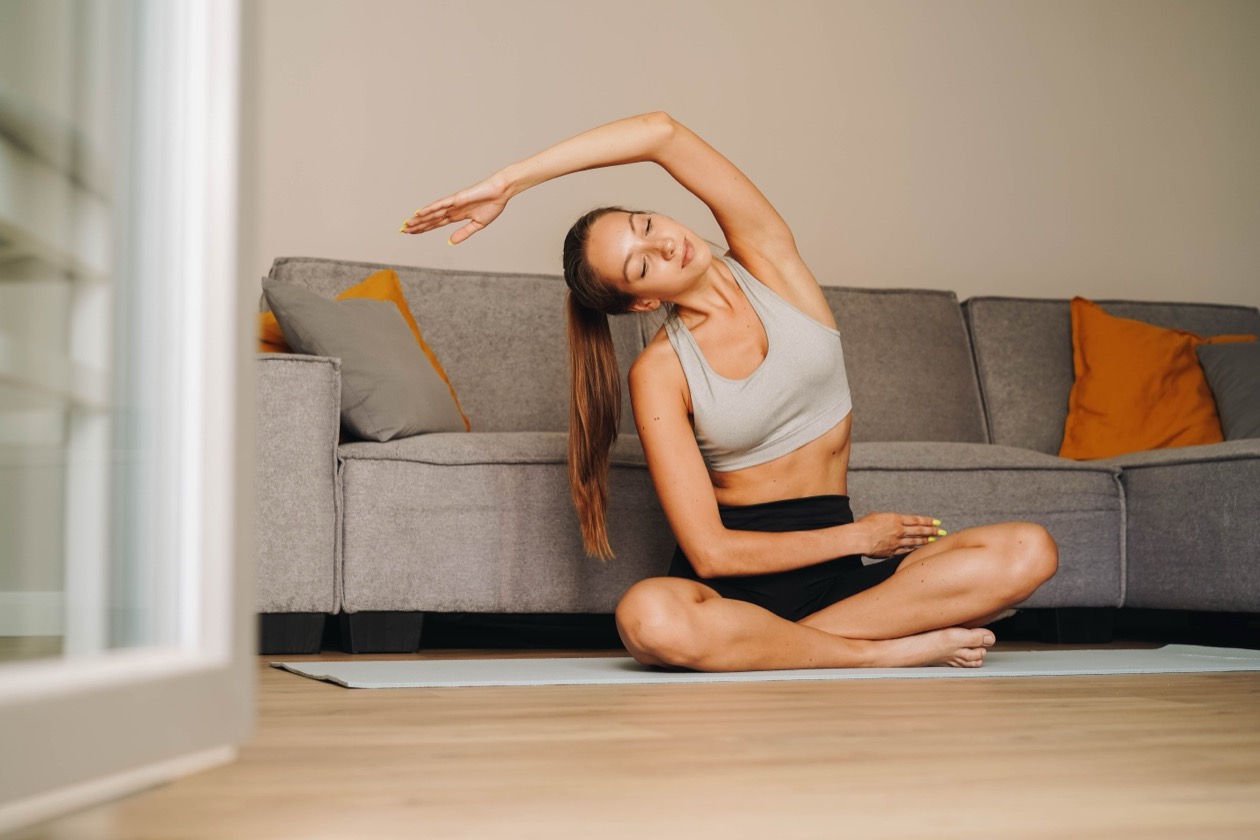
5-Minute Full Body Stretch Routine: Do This Daily
You do not need 30 minutes to feel the difference a stretch routine makes. A focused 5-minute full body stretch routine can reduce muscle tension, improve flexibility, and prevent injury — all before your day even starts. The key is targeting the right muscle groups in the right order.
According to the WHO guidelines on physical activity, adults should include flexibility and balance exercises at least 2 days per week. This routine covers every major muscle group in just 5 minutes — no equipment needed.
Why Stretch Every Day?
Daily stretching offers benefits that go beyond flexibility:
- Reduces muscle stiffness — especially after sitting for long periods
- Improves blood flow — delivering oxygen and nutrients to muscles
- Lowers injury risk — warm, pliable muscles resist strains better
- Relieves stress — stretching activates the parasympathetic nervous system
- Improves posture — by releasing tight hip flexors and chest muscles
A 2018 review in Sports Medicine found that regular stretching increases range of motion and reduces muscle stiffness, even in as little as 5 minutes per session.
The 5-Minute Full Body Stretch Routine
Perform each stretch for 30 seconds per side. Move slowly and breathe deeply. Never bounce or force a stretch.
| Stretch | Target Area | Duration | How To |
|---|---|---|---|
| Neck Rolls | Neck & Upper Traps | 30 sec | Drop ear to shoulder, hold, switch sides |
| Chest Opener | Chest & Front Shoulders | 30 sec | Clasp hands behind back, lift chest, squeeze shoulder blades |
| Cat-Cow | Spine & Core | 30 sec | On all fours, alternate arching and rounding your back |
| Hip Flexor Kneel | Hip Flexors & Quads | 30 sec/side | Kneel on one knee, push hips forward, feel front of hip stretch |
| Standing Hamstring | Hamstrings & Lower Back | 30 sec/side | Place heel on low surface, hinge forward at hips |
| Standing Quad | Quadriceps | 30 sec/side | Stand on one leg, pull opposite foot toward glutes |
| Child’s Pose | Back, Hips & Shoulders | 30 sec | Kneel, sit back on heels, reach arms forward on floor |
| Seated Spinal Twist | Spine & Obliques | 30 sec/side | Sit cross-legged, twist torso, hand on opposite knee |
Total time: 5 minutes. Do this routine every morning, after workouts, or before bed.
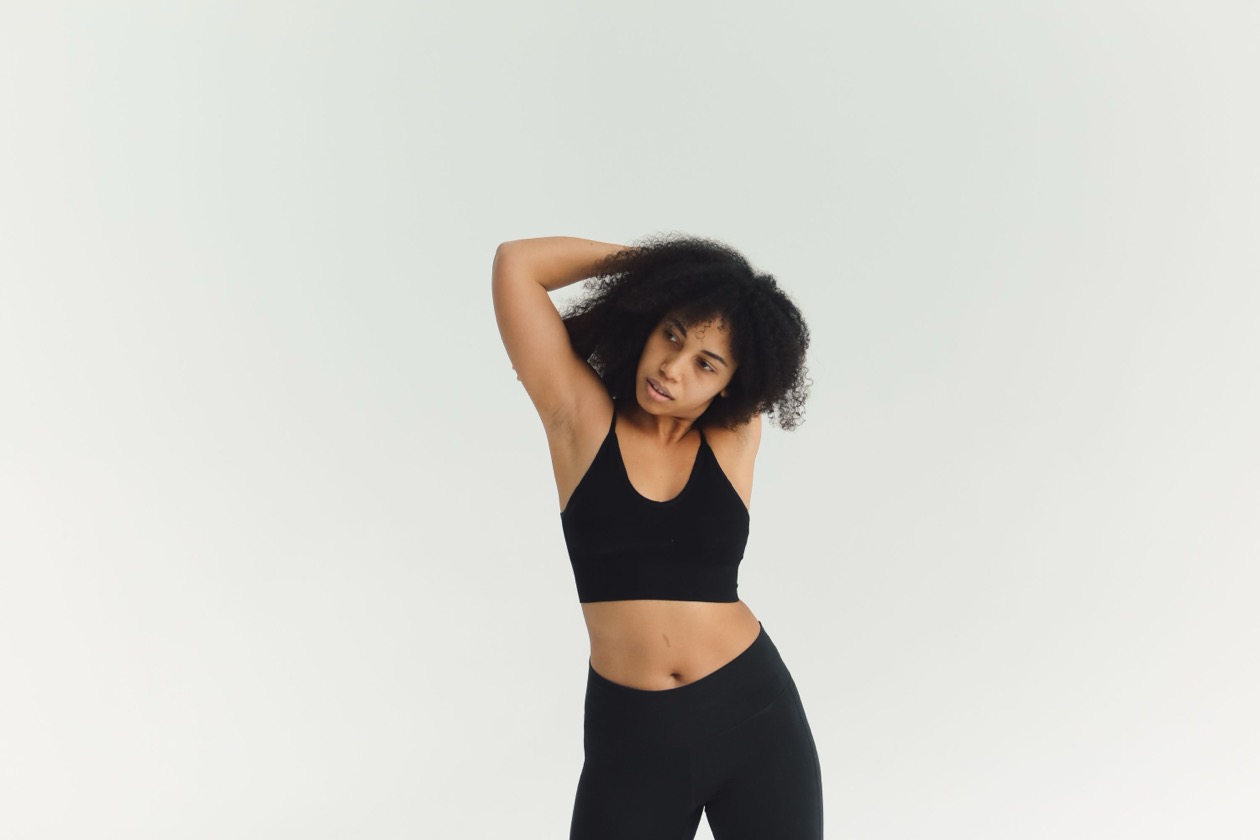
How to Do Each Stretch (Form Breakdown)
1. Neck Rolls
Sit or stand tall. Drop your right ear toward your right shoulder. Hold for 15 seconds. You should feel a gentle pull along the left side of your neck. Switch sides. Keep movements slow — never roll your head in full circles if you have neck issues.
2. Chest Opener
Stand with feet hip-width apart. Clasp your hands behind your back. Straighten your arms and lift your chest toward the ceiling. Squeeze your shoulder blades together. Breathe deeply and hold. This stretch opens the chest and front shoulders, which tighten from desk work and phone use.
3. Cat-Cow
Start on all fours with wrists under shoulders and knees under hips. Inhale: Drop your belly, lift your chest and tailbone (Cow). Exhale: Round your spine, tuck your chin and tailbone (Cat). Move slowly between positions. This warms up the entire spine.
4. Hip Flexor Kneel
Kneel on your right knee with your left foot flat on the floor in front of you. Push your hips forward gently. You should feel a stretch in the front of your right hip and thigh. Keep your torso upright — do not lean forward. Switch sides after 30 seconds.
5. Standing Hamstring
Place your right heel on a low step, chair, or ledge. Keep your right leg straight (but not locked). Hinge forward at your hips until you feel a stretch in the back of your thigh. Keep your back flat — do not round your spine. Switch sides.
6. Standing Quad
Stand on your left leg. Bend your right knee and grab your right foot behind you. Pull your heel toward your glutes. Keep your knees together and your standing leg slightly bent. Hold a wall or chair for balance if needed. Switch sides.
7. Child’s Pose
Kneel on the floor, sit back on your heels, and reach your arms forward on the ground. Let your forehead rest on the floor. Breathe deeply into your back. This is a restful stretch for the back, hips, and shoulders.
8. Seated Spinal Twist
Sit on the floor with legs crossed. Place your right hand on your left knee. Twist your torso to the left, using your hand for gentle leverage. Keep your spine tall — do not hunch. Switch sides.
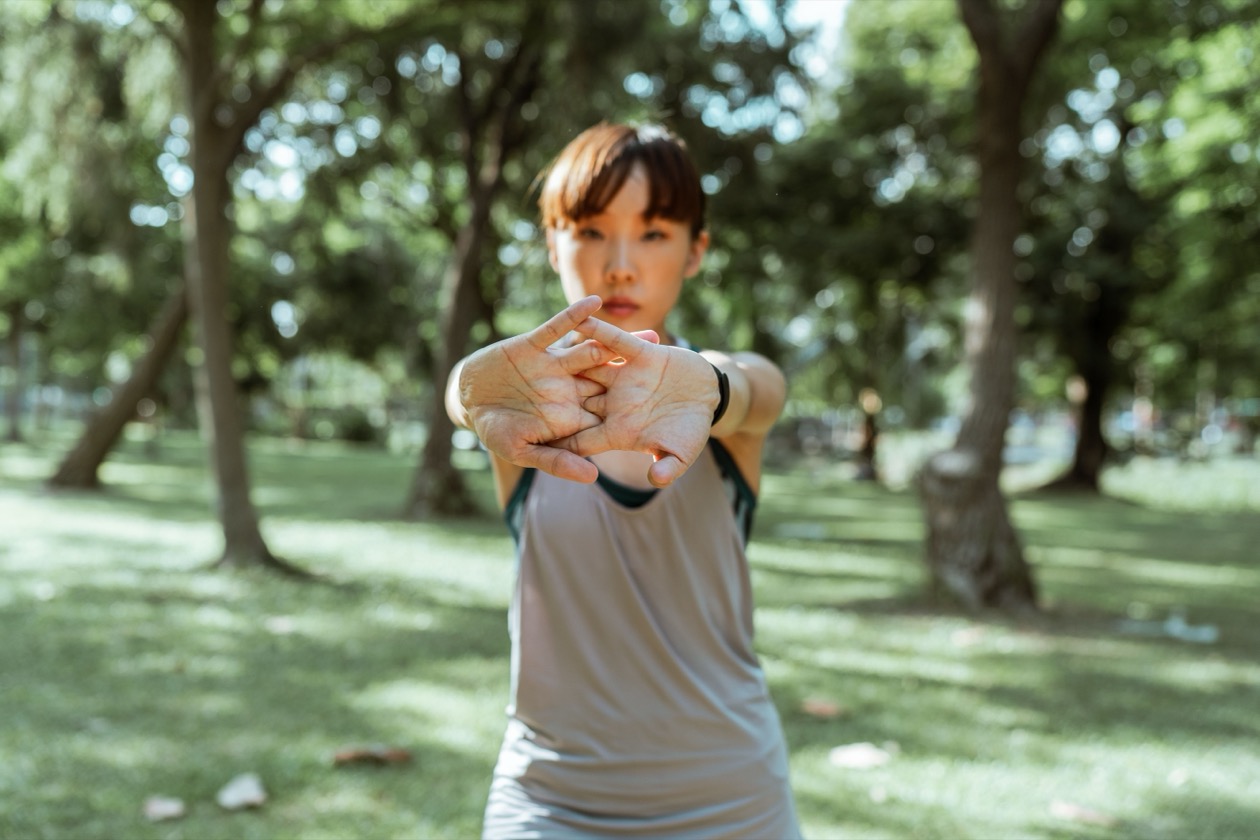
When to Stretch
- Morning: After waking up — loosens stiff muscles from sleep
- Post-workout: After exercise — helps recovery and reduces soreness
- Before bed: Promotes relaxation and improves sleep quality
- At your desk: Every 60-90 minutes — counters sitting posture
Common Stretching Mistakes
- Bouncing — never bounce during a stretch; it causes micro-tears in muscle fibers
- Holding your breath — breathe deeply and continuously through each stretch
- Stretching cold muscles — warm up with 1-2 minutes of light movement first
- Pushing through pain — mild tension is normal; sharp pain means stop immediately
- Skip days — consistency matters more than intensity; 5 minutes daily beats 30 minutes once a week
What to Do Next
- Combine this with the 3-minute breathing exercise for stress relief
- Pair with the 5 bodyweight exercises that work your entire body
- Track your consistency with our fitness habit tracker dashboard
Frequently Asked Questions
How long should I stretch each day?
Five minutes is enough to maintain flexibility and reduce muscle stiffness. If you have more time, extend each stretch to 45-60 seconds or add extra stretches for tight areas like hips or shoulders.
Should I stretch before or after exercise?
Both. Before exercise, do dynamic stretches (leg swings, arm circles) to warm up. After exercise, do static stretches (like this routine) to improve flexibility and aid recovery. Never stretch cold muscles aggressively.
Can stretching help with back pain?
Yes. Stretches like Cat-Cow, Child’s Pose, and Seated Spinal Twist release tension in the lower back and hips, which are common sources of desk-related back pain. Do them daily for best results.
Disclaimer: The information provided by ReByte Talk Fitness is for educational purposes only. Consult a healthcare professional before starting any new exercise or lifestyle program.
RBTF Tip 1.2m × 1.2m is enough. Start with 5 minutes, keep the streak, and let small wins compound.

Your RBTF Coach
Rebyte.Talk · RBTF Coach
Helping beginners build 5-min habits in small spaces. No gym, no expensive gear — just consistent small wins.
More guides