Small Space Home Gym: How to Set Up a 1.2m x 1.2m Workout Area
Build a complete home gym in just 1.2m x 1.2m. This guide shows you how to set up a workout area in any small…

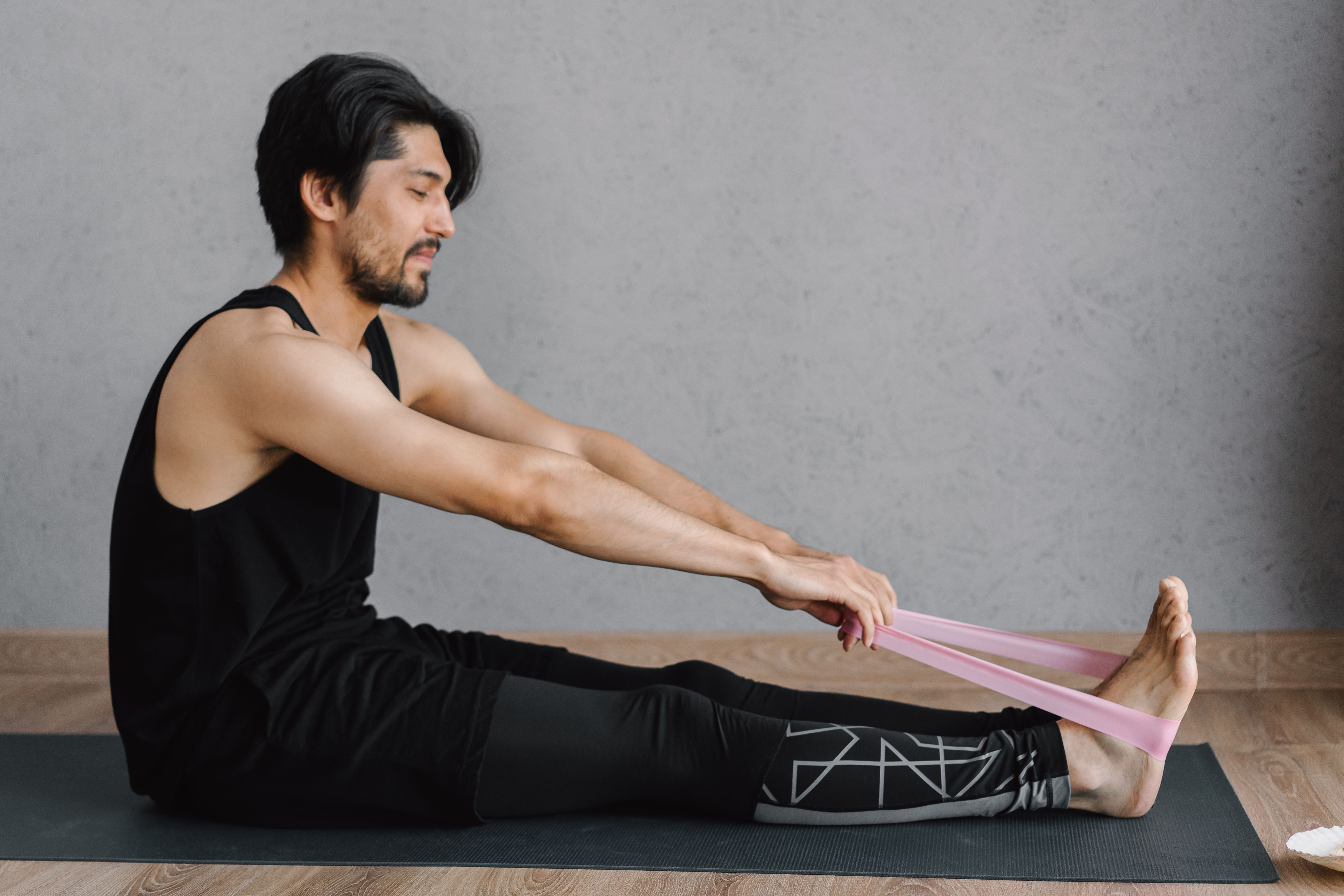
Small Space Home Gym: How to Set Up a 1.2m x 1.2m Workout Area
You only need a space the size of a yoga mat to get a complete workout at home. The average yoga mat is 1.2m x 1.2m (4ft x 4ft) — and that is exactly the amount of space you need to build a functional home gym that covers every muscle group.
Whether you live in a small apartment, share a room, or just do not have a dedicated workout space, this guide shows you how to create a 1.2m x 1.2m workout zone that fits in any corner of your home.
Why 1.2m x 1.2m Is Enough
Most people think they need a large room for a home gym. The truth: the best exercises require almost no space.
Consider what fits in a 1.2m x 1.2m area:
- Push-ups — 0.5m x 1m
- Planks — 0.5m x 1.5m (lying down)
- Glute bridges — 0.5m x 1.5m
- Seated exercises — 0.6m x 0.6m
- Standing exercises — 0.6m x 0.6m (squats, lunges, presses)
- Yoga flows — 0.6m x 1.8m
According to the WHO guidelines on physical activity, adults need at least 150 minutes of moderate-intensity activity per week. None of that requires a gym — it requires a small patch of floor and a plan.
Step 1: Choose Your Spot
Find a 1.2m x 1.2m area in your home that meets these criteria:
- Flat, hard surface — carpet works but a hard floor is better for stability
- Clear of obstacles — move furniture temporarily or find a permanent spot
- Near a wall — useful for wall sits, wall push-ups, and pull-up bars
- Good lighting — helps with motivation and form
- Ventilation — open a window or use a fan
Best spots in a small apartment:
- Corner of the bedroom (push the bed to one side)
- End of a hallway
- Space beside the sofa in the living room
- Balcony (if flat and sheltered)
- Next to the bed (for morning routines)
Step 2: Lay Your Foundation
Start with an exercise mat — this defines your workout zone and protects your floor.
Mat placement options:
- Permanently out — leave it rolled out in your chosen spot (visual cue to exercise)
- Daily setup — roll it out before each workout, roll it up after (builds ritual)
- Wall storage — lean against the wall when not in use (saves floor space)
Tip: If your mat is always visible, you are more likely to use it. This is the “visual cue” principle from habit research — the American Heart Association recommends making your habit trigger obvious and accessible.
Step 3: Store Equipment Vertically
In a 1.2m x 1.2m space, horizontal storage is impossible. Go vertical:
- Wall hooks — hang resistance bands, jump ropes, and yoga straps
- Over-the-door organizer — store small items (bands, gloves, timer)
- Under-bed storage — slide dumbbells and kettlebells under the bed
- Corner shelf — place water bottle, towel, and phone stand
- Stackable bins — store equipment inside when not in use
Step 4: Equipment That Fits
These items fit in a 1.2m x 1.2m space and provide a complete workout:
| Equipment | Size | Storage | Exercises |
|---|---|---|---|
| Exercise Mat | 1.2m x 0.6m | Floor or wall | 15+ |
| Resistance Bands | Fits in a drawer | Wall hooks | 20+ |
| Adjustable Dumbbells | 0.3m x 0.3m each | Under bed | 30+ |
| Kettlebell | 0.25m x 0.25m | Corner or under bed | 10+ |
| Doorway Pull-Up Bar | Doorway | Installed in door | 5+ |
Step 5: Create Your Workout Zone
Here is a complete 1.2m x 1.2m setup layout:
- Center: Exercise mat (0.6m x 1.2m) — your primary workout area
- Left corner: Dumbbells stored under bed or on a small shelf
- Right corner: Water bottle and phone/timer on a small stool
- Wall above: Resistance bands hanging on hooks
- Doorway nearby: Pull-up bar installed (if available)
Total floor space used: 1.2m x 1.2m = 1.44 square meters. That is smaller than a standard dining table.
Sample 15-Minute Small Space Workout
This entire workout fits in your 1.2m x 1.2m zone:
| Exercise | Time/Reps | Equipment |
|---|---|---|
| Jumping Jacks (in place) | 60 sec | None |
| Push-Ups | 15 reps | Mat |
| Glute Bridges | 15 reps | Mat |
| Dumbbell Rows | 12 per arm | Dumbbells |
| Plank Hold | 30 sec | Mat |
| Banded Squats | 15 reps | Resistance band |
| Seated Calf Raises | 20 reps | Dumbbell on lap |
| Dead Bug | 10 per side | Mat |
Repeat 2–3 rounds. Total time: 15 minutes.
Tips for Small Space Success
- Keep it simple — you do not need 20 pieces of equipment. 3–5 items is enough
- Clean up after — put equipment back in its storage spot after every workout
- Use bodyweight — most exercises in a small space are bodyweight-only
- Go vertical — hang bands on walls, store weights under furniture
- Make it permanent — if possible, leave your mat out as a visual reminder
What to Do Next
- Get the right equipment with our 5 essential home gym equipment pieces
- Start training with the 5 bodyweight exercises that work your entire body
- Build your habit with the workout habit guide
Frequently Asked Questions
How much space do I really need for a home gym?
A standard yoga mat is 1.2m x 1.2m — that is all the space you need for most bodyweight and dumbbell exercises. You can fit a complete home gym setup in the corner of a bedroom, the end of a hallway, or beside your bed. The key is vertical storage for equipment.
Can I get a good workout in a tiny apartment?
Absolutely. Bodyweight exercises like push-ups, planks, glute bridges, and squats require zero equipment and minimal space. Add a pair of dumbbells and resistance bands, and you can train every muscle group effectively in under 1.5 square meters.
How do I keep my small space organized?
Use wall hooks for resistance bands, under-bed storage for dumbbells, and an over-the-door organizer for small items. Always put equipment back after your workout. The less clutter visible, the more likely you are to use the space consistently.
Disclaimer: The information provided by ReByte Talk Fitness is for educational purposes only. Consult a healthcare professional before starting any new exercise or lifestyle program.
RBTF Tip 1.2m × 1.2m is enough. Start with 5 minutes, keep the streak, and let small wins compound.

Your RBTF Coach
Rebyte.Talk · RBTF Coach
Helping beginners build 5-min habits in small spaces. No gym, no expensive gear — just consistent small wins.
More guides