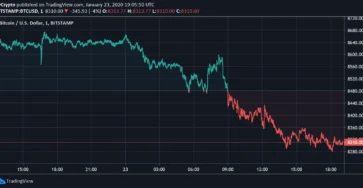
Bitcoin price correction has become a hot topic in the crypto community as market dynamics shift dramatically. Recently, whales selling Bitcoin have triggered a wave of volatility, leaving many retail investors grappling with the implications of this sudden downturn. The surge of social media trends surrounding Bitcoin has stoked the flames of greed, causing a rapid escalation in price expectations just before the correction hit. Analysts warn that the short-term Bitcoin forecast suggests a significant pullback, especially as whale activity intensifies. As the balance between retail enthusiasm and whale maneuvers continues to unfold, traders should stay alert to the evolving landscape of the cryptocurrency market.
In the ever-changing world of digital currencies, the recent downturn in Bitcoin’s value has caught the attention of investors and analysts alike. This price adjustment, often referred to as a market correction, typically signals a shift in investor sentiment, particularly as large holders of Bitcoin, known as whales, begin to offload their assets. The interplay of market greed and fear is palpable, especially as social media buzz contributes to inflated expectations and subsequent sell-offs. Understanding the behavior of these significant players is crucial for forecasting short-term movements in Bitcoin’s price. By analyzing crypto market trends and whale activity, investors can better navigate the turbulent waters of cryptocurrency trading.
Understanding Bitcoin Price Correction Dynamics
The recent Bitcoin price correction has been attributed to several factors, primarily driven by whale activity in the market. As whales begin to offload significant portions of their Bitcoin holdings, it signals to retail investors that the market might be reaching a peak. This phenomenon is particularly evident when social media platforms buzz with optimistic price predictions, suggesting that the market sentiment is overly bullish. Such conditions often lead to increased selling pressure as whales capitalize on the greed exhibited by retail traders, ultimately resulting in a price correction.
Moreover, the interplay between social media trends and Bitcoin price corrections cannot be overlooked. As sentiments on platforms like X and Reddit amplify bullish expectations, it marks a critical juncture in the market. Historical data suggests that these social media trends can serve as reliable indicators of impending corrections, where the exuberance of retail investors often clashes with the strategic selling by whales. Thus, understanding these dynamics is crucial for any investor looking to navigate the volatile crypto landscape.
The Role of Whales in Bitcoin Market Movements
Whales, or large holders of Bitcoin, play a pivotal role in influencing market movements. Their actions can sway the entire cryptocurrency market, as seen in recent weeks where substantial sell-offs led to a notable Bitcoin price correction. When whales sell their assets, they not only impact the supply but also instigate fear among retail investors. This fear often leads to a rush of selling, exacerbating the price decline. As retail traders react to these movements, the market can experience heightened volatility, driven by panic and uncertainty.
Additionally, the behaviors of whales are often counterintuitive to the prevailing market sentiment. While retail investors may be driven by greed and the allure of potential profits, whales tend to act based on strategic assessments of market conditions. By monitoring whale activity, traders can gain valuable insights into possible market directions. For instance, a sudden increase in whale selling could indicate an impending downturn, prompting traders to reconsider their positions. Understanding whale dynamics is essential for anyone engaged in the crypto market.
Social Media Trends and Their Impact on Bitcoin Prices
Social media trends have become an integral part of cryptocurrency trading, especially for Bitcoin. Platforms such as Twitter and Reddit serve as hotbeds for discussions that can influence market sentiment. When discussions about Bitcoin surge, particularly around higher price targets, it can create a sense of FOMO (Fear of Missing Out) among retail investors. This behavior often leads to increased buying activity, which can temporarily inflate Bitcoin prices. However, this hype can also indicate that a price correction is looming, as it suggests that the market is becoming overheated.
Moreover, monitoring these social media trends can provide traders with a contrarian advantage. For instance, when the sentiment shifts from optimism to caution, it may signal that whales are preparing to sell. Conversely, a spike in negative sentiment could reflect retail fear, presenting an opportune moment for whales to accumulate more Bitcoin at lower prices. Thus, understanding the correlation between social media trends and Bitcoin prices is essential for making informed trading decisions.
Short-Term Bitcoin Forecast: What to Expect
In light of the recent market movements, the short-term Bitcoin forecast appears cautious. Analysts suggest that the combination of whale selling and heightened retail investor greed could lead to further price corrections in the near future. While optimistic projections of $110,000 to $119,000 were prevalent, the reality is that these predictions must be taken with a grain of salt, especially considering the historical data indicating that such bullish trends often precede corrections.
Additionally, the importance of analyzing market corrections cannot be overstated. The likelihood of a drop back to the $90,000 to $100,000 range is becoming more plausible as whales continue to liquidate their assets. Therefore, investors should remain vigilant and prepared for a potential downturn, while also keeping an eye on social media trends that may provide insights into market sentiment. This strategic approach will be key for navigating the unpredictable nature of Bitcoin’s price movements.
The Influence of Market Greed on Bitcoin Values
Market greed has a profound impact on Bitcoin values, often leading to dramatic price fluctuations. When retail investors exhibit excessive greed, it creates an environment ripe for manipulation by whales, who may use this sentiment to their advantage. As prices soar, driven by retail buying, whales can strategically offload their holdings, triggering a price correction that catches many off guard. This cycle of greed and correction is a hallmark of the cryptocurrency market, where emotions often dictate trading behaviors.
Furthermore, the interplay between greed and fear is evident in the crypto landscape. As prices rise and social media discussions become increasingly optimistic, the atmosphere shifts towards greed. However, this can swiftly turn into fear once a correction occurs, leading to panic selling among retail investors. Understanding this cycle is crucial for traders, as it highlights the importance of emotional discipline and the need for a contrarian approach in trading strategies.
Tracking Bitcoin Whale Activity: A Strategic Approach
Tracking Bitcoin whale activity is essential for any investor looking to make informed decisions in the crypto market. By analyzing on-chain data and monitoring large transactions, traders can gain insights into potential market movements. For instance, a sudden spike in whale transactions might indicate that large holders are either accumulating more Bitcoin or preparing for a sell-off, both of which can significantly impact the market. This information can be invaluable in predicting short-term price corrections and identifying optimal entry or exit points.
Moreover, the relationship between whale activity and retail market sentiment is critical. When whales begin to sell, it often coincides with rising retail investor greed, creating a scenario where prices may be artificially inflated. By staying informed about whale movements, traders can position themselves strategically to either capitalize on price increases or shield themselves from potential downturns. The ability to discern whale behavior provides a competitive edge in the unpredictable world of Bitcoin trading.
The Aftermath of Whales Selling Bitcoin: Market Reactions
The aftermath of whales selling Bitcoin can lead to significant market reactions, often characterized by increased volatility. As large holders liquidate their positions, it can create a cascade effect, where retail investors panic and start selling off their assets as well. This phenomenon highlights the interconnectedness of whale actions and retail sentiment in the crypto market. When investors witness a sharp decline in prices, it can trigger fear and uncertainty, further exacerbating the situation and leading to more pronounced corrections.
Additionally, the market’s response to whale selling is often reflective of broader trends in investor psychology. In times of rapid price corrections, traders may find themselves caught in a cycle of fear and greed, oscillating between the desire to hold and the pressure to sell. This complex emotional landscape makes it imperative for investors to stay grounded in their strategies and not react impulsively to market fluctuations. By understanding the dynamics at play, traders can better navigate the aftermath of whale selling and make more informed decisions.
The Importance of Caution in the Crypto Market
Exercising caution in the crypto market has never been more critical, especially in light of recent price corrections triggered by whale activity. Retail investors often find themselves swept up in the excitement of rising prices, only to be met with sudden downturns. The combination of social media hype and the strategic selling by whales can create an environment where complacency leads to significant financial losses. Therefore, adopting a cautious and informed approach is essential for long-term success in trading Bitcoin.
Moreover, understanding market signals and trends is key to maintaining a cautious stance. By analyzing social media sentiment and tracking whale behavior, traders can gain valuable insights that inform their trading strategies. This proactive approach enables investors to anticipate potential corrections and adjust their positions accordingly. In a market as volatile as cryptocurrency, being prepared and vigilant can make all the difference in navigating price fluctuations and safeguarding investments.
Future Outlook for Bitcoin: Whales and Market Sentiment
The future outlook for Bitcoin remains uncertain, heavily influenced by whale activity and prevailing market sentiment. As large holders continue to offload their assets amidst signs of retail greed, the potential for further price corrections looms. The cyclical nature of the crypto market, driven by the actions of whales and the emotional responses of retail investors, suggests that traders must remain adaptable to changing conditions. Keeping a close watch on both whale movements and social media trends will be crucial for forecasting Bitcoin’s trajectory.
Additionally, the relationship between whale selling and market sentiment cannot be ignored. As retail investors react to the actions of whales, it creates a feedback loop that can amplify market movements. Understanding this dynamic can help traders position themselves strategically, whether to capitalize on upward trends or protect against downturns. Ultimately, staying informed about the interplay between whale activity and market sentiment will be key to navigating the future of Bitcoin trading.
Frequently Asked Questions
What causes Bitcoin price corrections related to whale activity?
Bitcoin price corrections are often influenced by whale activity, where large holders sell off their holdings. This selling pressure can trigger a correction, especially when retail investors are exhibiting greed, as seen in recent market trends. When whales offload Bitcoin, it typically leads to a decline in prices as the market adjusts to the sudden influx of Bitcoin for sale.
How do social media trends affect Bitcoin price corrections?
Social media trends play a significant role in Bitcoin price corrections. When there is a surge in optimistic predictions on platforms like X, Reddit, and Telegram, it often indicates market greed and can lead to a peak. If whales notice this trend, they may begin selling, resulting in a price correction as the market reacts to the sudden shift in sentiment.
What can short-term Bitcoin forecasts tell us about potential price corrections?
Short-term Bitcoin forecasts can provide insights into potential price corrections. Analysts often look at market sentiment, including social media activity and whale movements, to predict corrections. For instance, if forecasts suggest that Bitcoin might reach higher price levels but social media shows increasing greed, a correction could be imminent as whales decide to take profits.
Why is the current Bitcoin price correction significant in the context of crypto market greed?
The current Bitcoin price correction is significant because it highlights the tension between retail investor greed and whale selling behavior. As retail investors become overly optimistic, often driven by social media hype, whales may choose to sell their Bitcoin holdings, resulting in a price correction. This dynamic reflects the ongoing battle between short-term market enthusiasm and the reality of profit-taking by large holders.
How can monitoring Bitcoin whale activity help predict price corrections?
Monitoring Bitcoin whale activity can be crucial for predicting price corrections. When whales begin to sell off their holdings, it often signals a shift in market dynamics. This activity can lead to increased supply and a subsequent drop in prices. By keeping an eye on whale movements, traders can better anticipate potential corrections and adjust their strategies accordingly.
| Key Points |
|---|
| Whales are selling off Bitcoin while retail investors are showing signs of greed. |
| Social media hype is indicating a potential short-term price correction for Bitcoin. |
| Bitcoin reached an all-time high of $109,300 but faced a rapid correction thereafter. |
| Expectations of Bitcoin hitting higher targets of $110k-$119k were prevalent but not sustained. |
| Historically, high social media mentions of optimistic predictions correlate with market peaks and sell-offs by whales. |
| The lack of supportive comments from Trump in his inaugural speech led to a drop in Bitcoin’s price to just over $102,000. |
| Other cryptocurrencies also experienced significant losses following Bitcoin’s correction. |
Summary
Bitcoin price correction is a critical phenomenon observed when market sentiment shifts from optimism to caution. Recent trends indicate that as whales offload their Bitcoin holdings amidst increasing retail greed, social media mentions suggest a looming price correction. The spike in speculative targets following Bitcoin’s peak should serve as a warning for investors to adopt a more cautious, contrarian approach to their trading strategies. Monitoring social media trends can provide essential insights into future price movements, highlighting the importance of staying informed in this volatile market.