3-Minute Breathing Exercise for Stress Relief
Calm your stress in 3 minutes with a simple breathing routine backed by science. No app, no gear, no experience needed.

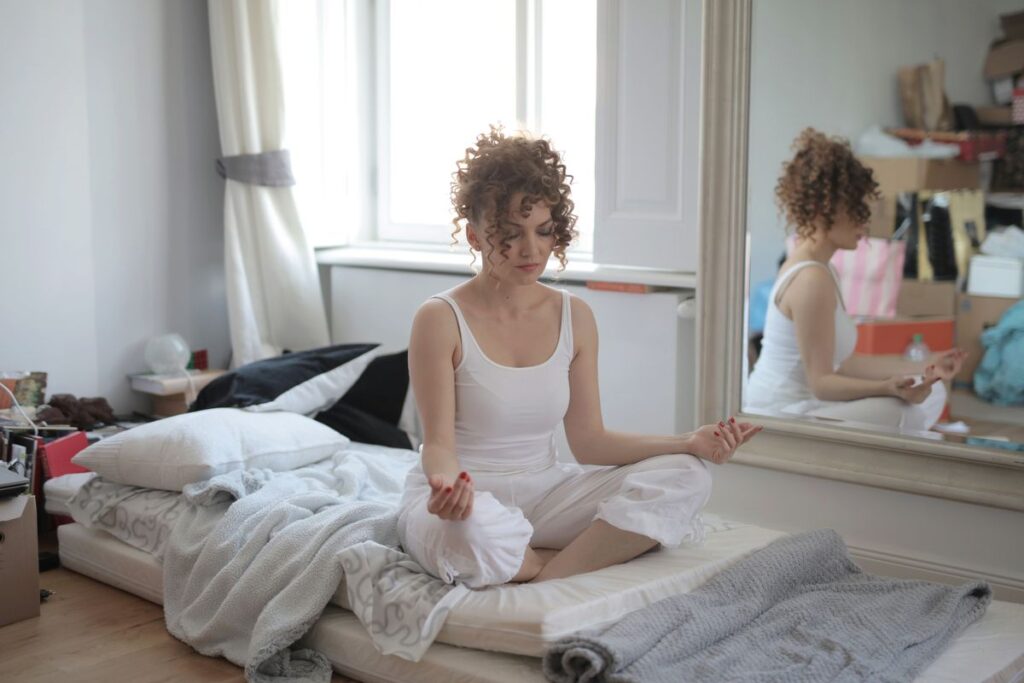
3-Minute Breathing Exercise for Instant Stress Relief
A 3-minute breathing exercise can calm your stress response in minutes. Slow, deliberate breathing switches your nervous system from fight-or-flight to rest-and-digest, lowering your heart rate and clearing mental fog. No app, no gear, no experience needed. Just three quiet minutes and the air already in the room.
Stress lives in the body before it shows up in the mind. Shallow chest breathing, tight shoulders, a racing pulse. The good news is that the reverse is also true. Change the breath and the body follows. Research now shows that even three to five minutes of slow breathing a day produces measurable drops in anxiety and improvements in mood. This guide gives you the exact routine, three beginner techniques to rotate, and the science that explains why something this simple works this fast.
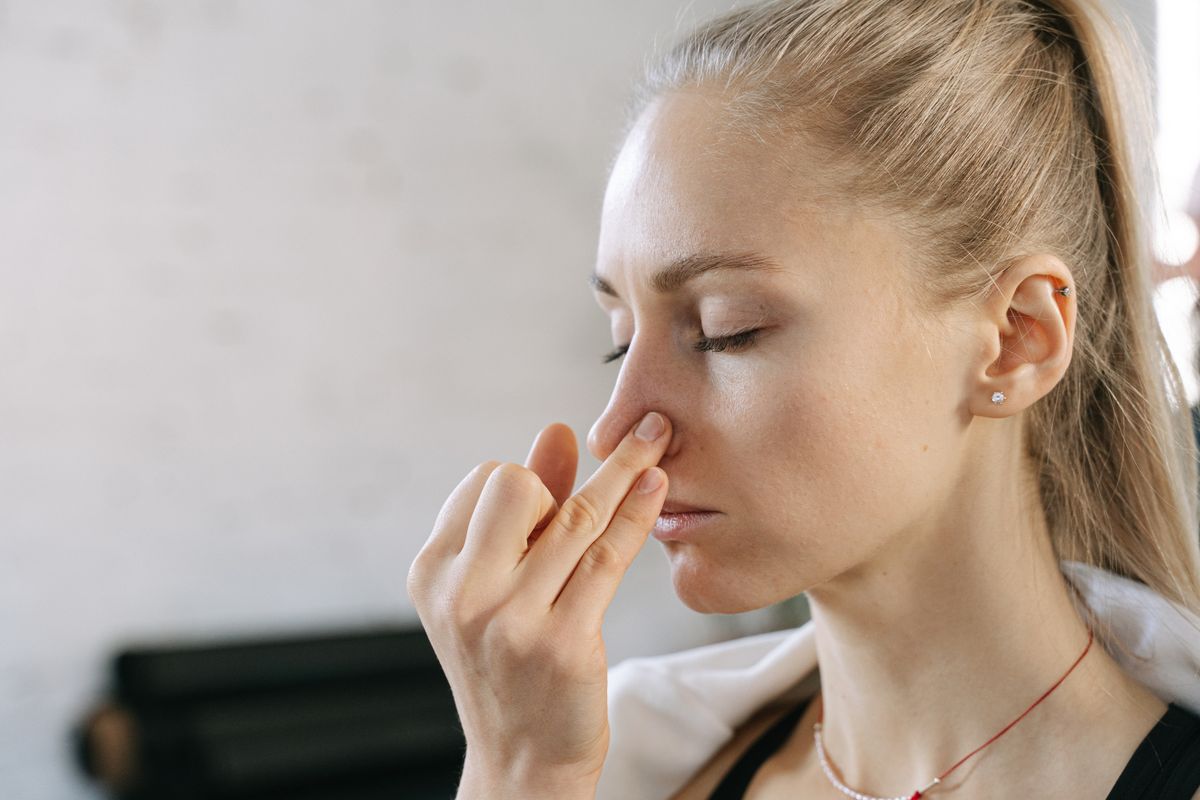
Why 3 Minutes Is Enough: The Science
Your breathing sits at a rare intersection. It runs on autopilot, yet you can take manual control at any moment. That makes it a direct lever into your autonomic nervous system, the part of you that decides between alarm and calm.
When stress hits, breathing turns fast and shallow. That pattern tells the brain that danger is near, which releases more stress hormones, which makes breathing faster still. Slow breathing breaks the loop from the other direction. Long exhales stimulate the vagus nerve, activate the parasympathetic branch, and signal safety. Heart rate drops. Muscle tension releases. Thinking clears.
The evidence has caught up with the tradition:
- Five minutes a day beats meditation for mood. A 2023 randomized controlled trial found that five minutes daily of cyclic sighing, a slow-breathing pattern with extended exhales, improved mood and reduced anxiety over a month, outperforming a matched mindfulness meditation group.
- Slower than 10 breaths per minute is the threshold. Researchers studying breathwork report particularly strong evidence for benefits once breathing slows below ten cycles per minute. Normal stressed breathing runs at fourteen to twenty. The routine below lands you near six.
- Nineteen studies, same direction. A 2025 systematic review of breathing exercise interventions in adults found significant reductions in anxiety across twelve studies and in stress across nine, with no adverse events reported.
- Three to five minutes moves the needle. Studies consistently show that sessions as short as three to five minutes produce measurable benefits, provided you practice daily. Consistency matters more than duration.
Sources worth bookmarking include the NHS breathing exercises for stress, the BBC review of breathwork science, and the 2025 systematic review on PubMed.
The 3-Minute Routine: Three One-Minute Phases
Set a timer for three minutes. Sit upright in a chair with both feet flat on the floor, or lie down if you prefer. Rest your hands on your lap. Soften your jaw and drop your shoulders away from your ears. Then move through three phases.
Minute 1: Arrive and Belly Breathe
Breathe in slowly through your nose for a count of four, letting your belly rise while your chest stays nearly still. Breathe out gently through your mouth for a count of four. Repeat. Place one hand on your stomach if it helps you feel the movement. This minute is only about arriving. Let the noise of the day fade with each exhale.
Minute 2: Extend the Exhale
Keep the four-count inhale. Now stretch the exhale to a count of six or eight, whatever feels comfortable without strain. The long exhale is the active ingredient. It is what tells your nervous system to stand down. If your mind wanders, silently say the word calm on each exhale and return to the count.
Minute 3: Slow Rhythm and Close
Drop the counting. Breathe in for about five seconds and out for about five seconds, smooth and unforced, roughly six breaths per minute. On the final three breaths, notice one thing you can hear, one thing you can feel, and one thing you can see. Open your eyes slowly. Sit still for ten seconds before reaching for your phone.
| Phase | Time | Pattern | Purpose |
|---|---|---|---|
| Arrive | 0:00 to 1:00 | In 4, out 4 through belly | Shift from chest to abdominal breathing |
| Extend | 1:00 to 2:00 | In 4, out 6 to 8 | Activate the calming response |
| Settle | 2:00 to 3:00 | 5 seconds in, 5 seconds out | Lock in a slow sustainable rhythm |
Video: Simple breathing techniques for stress relief including box breathing, pursed-lip exhale, and belly breathing. Source: AskDoctorJo on YouTube.
Three Beginner Techniques to Rotate
Once the basic routine feels natural, rotate these three techniques across the week. Variety keeps the habit fresh and teaches your body more than one route to calm.
1. Belly Breathing (Diaphragmatic Breathing)
The foundation of everything else. This pattern moves the work of breathing from the small chest muscles to the diaphragm, a large efficient muscle built for the job. Sit or lie down. Put one hand on your stomach and one on your chest. Breathe in through your nose so only the belly hand rises. Breathe out slowly through pursed lips. The University of Michigan Health guide recommends practicing a few minutes several times a day until the pattern becomes automatic. Use it as your default whenever stress appears without warning.
2. Extended Exhale Breathing
The emergency brake. Inhale through your nose for four counts, exhale through your mouth for six to eight. The American Lung Association describes this as the simplest way to return your body to baseline. A close cousin is the physiological sigh taught by stress researchers: two short inhales through the nose followed by one long full exhale through the mouth. One or two sighs can take the edge off a spike of tension in under a minute. Reach for this technique before difficult conversations, deadlines, and traffic jams.
3. 4-7-8 Breathing
The evening option. Breathe in quietly through your nose for four counts, hold for seven, then exhale completely through your mouth for eight counts with a soft whoosh. The British Heart Foundation notes beginners often feel lightheaded at first, which is normal. Start with four rounds only. Because the long hold and extra-long exhale are deeply sedating, this one belongs in your wind-down hours. Pair it with our evening wind-down workout for a complete pre-sleep ritual.

When to Use It: Five Moments That Need Three Minutes
A breathing practice only works if it shows up where your stress lives. Anchor the routine to moments that already happen every day.
- Before opening your laptop. Three minutes at your desk before the first email sets your nervous system for the day instead of letting the inbox set it. Pair with one move from our office desk workouts.
- Between meetings. Camera off, mute on, three minutes of extended exhales. You will rejoin calmer than coffee ever made you. Our desk stretch routine stacks neatly into the same gap.
- The 3 PM slump. Afternoon fatigue is often shallow breathing plus stale air, not a willpower failure. Breathe first, then decide if you still need the snack.
- Before difficult conversations. Two minutes of belly breathing in the hallway lowers vocal tension and reactive thinking. You will listen better and interrupt less.
- In bed before sleep. Switch to 4-7-8 breathing with the lights low. Screens off, exhales long. Most people drift off before finishing four rounds.
Video: A three-minute guided square breathing session to follow along in real time. Source: UAB Student Affairs on YouTube.

Where to Practice and How to Make It Stick
Forget the perfect meditation corner. The best practice spot is the one you will actually use daily. A chair you already sit in beats a cushion you never unroll. That said, a few setup choices help.
- Reduce inputs. Phone face down and silent. One closed door between you and household noise is enough. Total silence is unnecessary.
- Same time, same trigger. Habit research is clear that behaviors tied to existing routines survive. Try after brushing your teeth, right after lunch, or the moment you sit down at your desk. Our 2-minute morning habit and 5-minute morning habit guides show exactly how to stack a new habit onto an old one.
- Track the streak, not the quality. Some sessions will feel deep. Most will feel ordinary. Both count. Log each day in our habit tracker dashboard and protect the chain. A tracked three minutes beats a skipped twenty.
- Go outside when you can. Daylight plus slow breathing is a potent combination for daytime alertness. A balcony, window, or short walk all qualify.
The goal is not to empty your mind. The goal is to notice when it wanders and gently return to the breath. Every return is one rep for your attention muscle.

Five Common Mistakes Beginners Make
- Breathing too hard. Deep does not mean forceful. Aim for quiet, narrow breaths through the nose. If your shoulders rise, you are working too hard. Shoulders stay down, belly does the moving.
- Holding the breath until dizzy. Holds should feel easy, never strained. If you feel lightheaded, shorten every count by half and breathe normally for a minute. Dizziness is feedback, not progress.
- Quitting at ninety seconds. The calming response lags behind the technique. Most people feel the shift around minute two. Set the full three-minute timer and commit to finishing.
- Judging the session. Thoughts will intrude. That is what minds do. Each time you notice and return without scolding yourself, the practice is working exactly as designed.
- Saving it for emergencies only. Breathing works best as prevention, not rescue. Daily practice lowers your baseline tension so spikes start from a calmer floor. The American Institute of Stress recommends regular daily practice over occasional use.
Your 7-Day Starter Plan
| Day | Sessions | Technique | Anchor moment |
|---|---|---|---|
| 1 to 2 | 1 per day | Belly breathing | After morning coffee or tea |
| 3 to 4 | 2 per day | Belly breathing plus extended exhale | Morning plus mid-afternoon slump |
| 5 to 6 | 2 per day | Your favorite plus 4-7-8 at night | Add a bedtime session |
| 7 | 3 per day | Free choice | Morning, afternoon, and evening |
After day seven, keep the pattern that felt easiest. Read building healthy habits made easy to turn the week into a permanent routine.
Frequently Asked Questions
How long until a breathing exercise reduces stress?
Most people feel a shift within two to three minutes as the exhale slows the heart rate. Studies show measurable improvements in mood and anxiety with three to five minutes of daily practice sustained over several weeks. One session helps in the moment. Daily sessions change the baseline.
Is it better to breathe through the nose or mouth?
In through the nose and out through the mouth is the standard beginner pattern. Nasal inhales filter and slow the air. Mouth exhales, especially through pursed lips, naturally extend the out-breath. With experience you can breathe entirely through the nose, which many long-term practitioners prefer.
What if I feel dizzy during breathing exercises?
Light dizziness is common in the first sessions and usually means you are breathing faster or deeper than your body needs. Halve all counts, breathe normally for a minute, then resume gently. If dizziness persists or you have a respiratory or heart condition, check with a healthcare professional before continuing.
Key Takeaways
- Three minutes of slow breathing measurably calms stress by activating the parasympathetic nervous system.
- The core routine runs in three one-minute phases: arrive with belly breathing, extend the exhale, settle into a slow rhythm.
- Rotate belly breathing, extended exhale, and 4-7-8 across the week for variety and depth.
- Anchor practice to existing moments: desk arrival, between meetings, the afternoon slump, and bedtime.
- Daily consistency beats session length. Track the streak and protect it.
What to Do Next
Start tonight with one three-minute session before bed. Tomorrow, stack it onto your 2-minute morning habit so it runs on autopilot. When evening tension lingers, follow breathing with our 15-minute wind-down workout for deeper sleep. And if desk stress is your main trigger, combine the routine with silent office workouts for a full workday reset.
Disclaimer: The information provided by ReByte Talk Fitness is for educational purposes only and is not medical advice. Consult a healthcare professional before starting any new wellness practice, especially if you have a respiratory, heart, or mental health condition.
RBTF Tip 1.2m × 1.2m is enough. Start with 5 minutes, keep the streak, and let small wins compound.

Your RBTF Coach
Rebyte.Talk · RBTF Coach
Helping beginners build 5-min habits in small spaces. No gym, no expensive gear — just consistent small wins.
More guides