How to Start a Morning Mindfulness Routine Without Waking Up Early
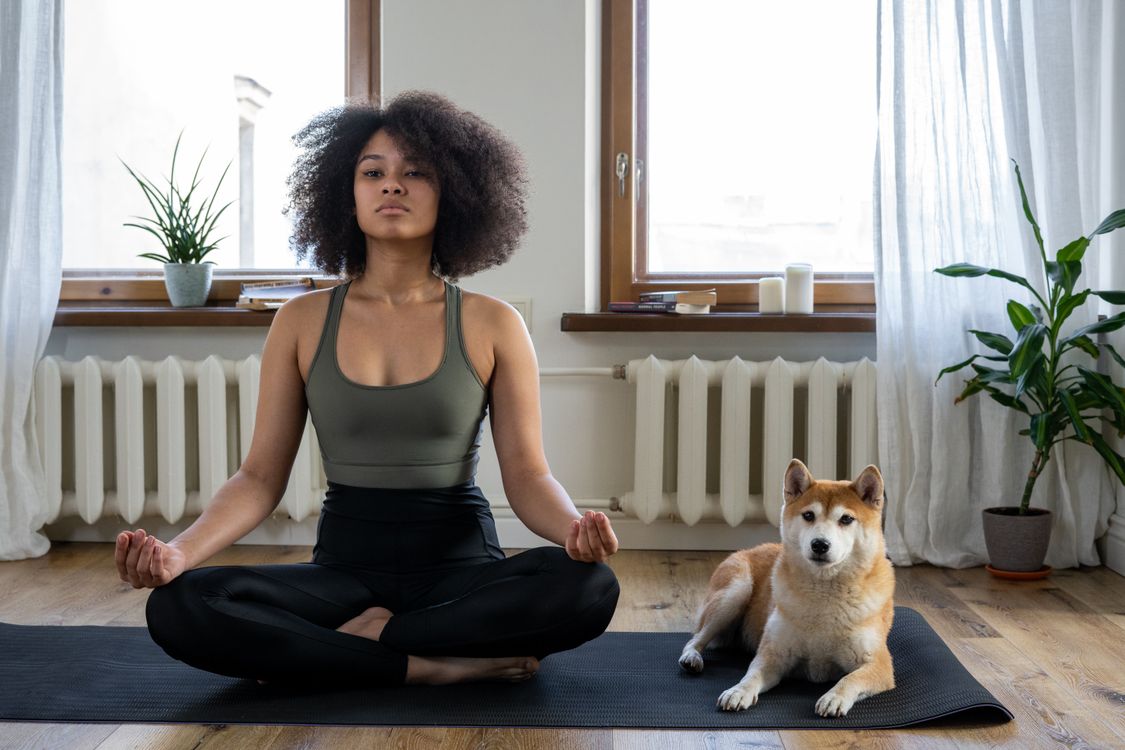
Morning sunlight sets the tone for a mindful start You wake up. Before your feet touch the floor, your brain is already sprinting. Emails.…


You wake up. Before your feet touch the floor, your brain is already sprinting. Emails. Deadlines. That thing you forgot to do yesterday. By the time you reach your phone, the day has already hijacked your attention.
Here is the uncomfortable truth: most morning routines fail because they demand more time from people who already feel time-starved. You do not need a 5 AM alarm, a cold plunge, or a 30-minute meditation session. You need a morning mindfulness routine that fits inside the life you already live.
This guide shows you how to start a morning mindfulness routine without waking up early, without special equipment, and without turning your mornings into a performance. The science is clear: even a few minutes of intentional awareness before the day takes over can reshape how you think, feel, and react for the next 16 hours.
Why Mornings Matter for Mindfulness
Your brain is in a unique state during the first 30 minutes after waking. Theta brainwaves, the same frequencies associated with deep meditation and creativity, are naturally elevated during the transition from sleep to full wakefulness. Jon Kabat-Zinn, the founder of Mindfulness-Based Stress Reduction, calls this the “twilight state” and says it is one of the most impressionable moments of your day.
Research supports this. A study of nearly 900,000 meditation app users, reviewed by the New York Times, found that people who meditated in the morning were more likely to maintain the habit than those who practiced later. Dr. Eva Tsuda, a meditation instructor at the UMass Memorial Health Center for Mindfulness, explains that morning practice “sets the tone for the day” and becomes easier to sustain because it happens before competing demands appear.
The mechanism is straightforward. When you begin your day with intentional awareness, you activate the prefrontal cortex, the part of your brain responsible for focus, decision-making, and emotional regulation. Without that activation, the amygdala, your brain’s threat-detection center, runs the show. You spend the morning reacting instead of choosing.
A morning mindfulness routine does not need to be long. It needs to happen.
The 3-Minute Foundation: What to Do Before You Get Out of Bed
This is the minimum effective dose. Three minutes. No alarm change required. No extra time. Just three minutes of deliberate attention before the day begins.

Step 1: Pause Before Reaching for Your Phone (30 seconds)
When your eyes open, stay where you are. Notice the weight of your body against the mattress. Feel the temperature of the air on your skin. Notice whatever is there: light, sounds, the texture of your sheets. Do not judge it. Just notice.
This is not meditation. This is orientation. You are telling your nervous system: I am here. I am safe. I get to choose what happens next.
Step 2: Three Intentional Breaths (60 seconds)
Take three slow breaths. In through the nose, out through the mouth. On each exhale, silently say one word: calm, here, or ready. Whatever word feels true. This anchors your attention to the present moment instead of the mental to-do list already forming.
If you want guidance, the 3-minute breathing exercise we covered earlier works perfectly here. Or try the box breathing technique for a more structured pattern.
Step 3: Set One Intention (60 seconds)
Ask yourself one question: What do I want to carry with me today? Not what you need to do. What you want to feel. Patience. Focus. Kindness. Pick one word and let it be the thread that runs through your day.
That is it. Three minutes. You have now started a morning mindfulness routine without waking up early, without sitting cross-legged, and without anyone else knowing you did it.
How to Build Without Adding Time
The real power of a morning mindfulness routine is not the isolated practice. It is what happens when you weave awareness into things you already do. This is called habit-stacking, and it is the most reliable way to make mindfulness stick.
The Calm blog describes it simply: attach a new mindful practice to something you already do every morning, so that you remember to do both. By piggybacking on routines you already have, you reduce the mental energy it takes to add something new.
Mindful Tooth-Brushing
Instead of scrolling or rehearsing your day while brushing, pay attention to the sensation. The bristles against your teeth. The taste of the paste. The movement of your hand. Jon Kabat-Zinn specifically names tooth-brushing as one of the easiest entry points for morning mindfulness. You are already doing it. You might as well be present for it.
Mindful Coffee or Tea
Hold the cup before you sip. Feel the warmth. Inhale the steam. Take the first sip slowly and notice the flavor, the temperature, the way the liquid moves across your tongue. UMass Memorial Health calls this “turning your morning beverage into a mindfulness practice.” It takes zero extra time.
Mindful Showering
Feel the water on your skin. Notice the temperature. Listen to the sound. When your mind wanders to your agenda, gently bring it back to the sensation of water. This is a full sensory meditation that happens inside a routine you already perform on autopilot.
Mindful Dressing
As you choose your clothes, notice the texture of the fabric. Feel the weight of the garment. Pay attention to the sensation of putting it on. This is what the UMass team calls “transition awareness” — small moments of presence woven into transitions you already make.
The 5-Minute Upgrade
Once the 3-minute foundation feels natural, you can expand to five minutes. This is the sweet spot that research consistently supports. A 2023 study of meditation app users found that five minutes of morning breathing was enough to reduce self-reported stress and anxiety for the rest of the day.
Here is a simple 5-minute structure:
- Minutes 1-2: Three intentional breaths (the foundation above)
- Minute 3: Body scan from head to feet — just notice what is there without changing anything
- Minute 4: Gratitude — name three specific things, however small
- Minute 5: Intention setting — one word for the day
You can do this in bed, on the edge of your bed, or sitting in a chair. The location does not matter. The consistency does.
Morning Mindfulness for People Who Hate Mornings
If the idea of a morning routine makes you want to go back to sleep, you are not broken. You are honest. The fitness industry has turned mornings into a competitive sport, and the mindfulness space is not much better. The “ideal” morning routine usually involves waking up an hour earlier, which is exactly what this guide says you do not need to do.

The Mindful.org approach is more realistic: start by noticing what already happens each morning. Where might you introduce just a little awareness without changing your schedule? You do not need to overhaul your mornings. You need to notice them.
Here are variations for different morning realities:
If You Have Kids
Your morning mindfulness happens in the chaos, not before it. Practice mindful breathing while packing lunches. Notice the sound of your child’s voice while making breakfast. Set your daily intention while tying their shoes. The practice is not separate from your life. It is inside it.
If You Rush Out the Door
Anchor your practice to the transition. The moment you close your front door, take one deep breath before walking to your car or the bus stop. That single breath, done consistently, becomes a morning mindfulness routine. The Today show calls this “being here now” — even 10 minutes of focused attention, done daily, trains your mind to stay present.
If You Wake Up Already Stressed
Do not fight the stress. Notice it. “I notice my chest feels tight.” “I notice my mind is racing.” Naming the experience, without trying to fix it, is itself a mindfulness practice. Research from the National Institutes of Health shows that labeling emotions reduces amygdala activation and increases prefrontal cortex engagement. You are calming your brain by describing your experience instead of drowning in it.
If You Work From Home
You have an advantage: no commute. Use the time between waking up and opening your laptop. Even two minutes of sitting with your coffee in silence, before checking email, constitutes a morning mindfulness routine. Protect that window. It is the difference between starting your day with intention and starting it in reaction.
Common Mistakes and How to Fix Them
Mistake 1: Making it too complicated. A morning mindfulness routine does not require a meditation cushion, incense, or a specific playlist. It requires attention. If you are adding more stress to your morning in the name of mindfulness, you have missed the point. Simplify until it feels easy.
Mistake 2: Expecting it to feel profound. Most mornings will feel ordinary. You will breathe, notice, and then go make coffee. That is the practice. The benefits are cumulative, not dramatic. Research shows that regular mindfulness practice strengthens emotional resilience over weeks and months, not minutes and hours.
Mistake 3: Checking your phone first. This is the most common saboteur. When you look at your phone before practicing awareness, you hand your attention to someone else’s agenda. The email, the news, the notification — they all pull you into reactivity. Even 60 seconds of phone-free awareness before the first scroll changes the quality of your morning.
Mistake 4: Skipping it on weekends. Your morning mindfulness routine is not a workday habit. It is a life practice. Weekends are when the habit solidifies or dissolves. You do not need the full 5 minutes on Saturday. But do something. One breath. One moment of noticing. Keep the thread unbroken.
Mistake 5: Doing it perfectly and then quitting. If you miss three days, you have not failed. You have been human. The research on habit formation is clear: consistency matters more than perfection. Start again tomorrow without drama.
The Science Behind Morning Mindfulness
The benefits of a morning mindfulness routine are not speculative. They are documented across multiple research domains:
- Stress reduction: A 2023 New York Times review of meditation research found that even five minutes of morning breathing decreases cortisol levels for the rest of the day. The UMass Center for Mindfulness, which pioneered Mindfulness-Based Stress Reduction, has published decades of data showing that regular practice reduces perceived stress by 30-40%.
- Emotional regulation: Research published in the American Psychological Association journals shows that increasing mindfulness on a daily basis “can be a beneficial means to improve daily psychological well-being.” Morning practice sets the regulatory tone before stressors accumulate.
- Habit sustainability: The nearly 900,000-user study found that morning practitioners maintained their habit longer than afternoon or evening practitioners. The reason is simple: mornings have fewer competing demands.
- Attention and focus: Studies show that mindfulness meditation improves concentration and decision-making. Starting the day with intentional attention primes the prefrontal cortex for the cognitive demands ahead.
- Sleep quality: paradoxically, morning mindfulness improves sleep. By establishing a wakeful awareness practice in the morning, you train your brain to distinguish between waking and sleeping states more clearly, which reduces insomnia symptoms.
How This Connects to Your Fitness Goals
Mindfulness is not separate from fitness. It is the foundation. When you start your day with awareness, you make better food choices, show up more fully for workouts, and recover more effectively. The connection is neurological: mindfulness practice strengthens the same prefrontal cortex networks involved in impulse control, planning, and sustained effort.
If you are following a workout plan, a morning mindfulness routine helps you show up for it. If you are tracking nutrition, mindful awareness at breakfast helps you notice hunger and fullness cues. If you are building any habit, the consistency of a morning practice trains the exact muscle you need: the ability to do something small, every day, without requiring motivation.
For more on building fitness habits, see our fitness habit tracker dashboard and our guide to building fitness habits that last.
Your Morning Mindfulness Starter Template
Here is a printable-ready template you can follow for the first 14 days. Print it, stick it on your nightstand, and check off each day. The goal is not perfection. It is pattern-building.

Day 1-3: The Pause
Before reaching for your phone, take three breaths. That is all. Notice how it feels.
Day 4-7: The Stack
Add one mindful activity: tooth-brushing, coffee, or showering. Pay full attention to the sensory experience.
Day 8-10: The Intention
After your breaths, set one word for the day. Carry it with you. Notice when it shows up.
Day 11-14: The Expansion
Move to 5 minutes. Add the body scan and gratitude. See how the morning shifts.
After 14 days, you will have a morning mindfulness routine that fits your life, not someone else’s ideal. Adjust it. Keep what works. Discard what does not. The only rule is: do something, every morning, with attention.
Takeaways
- You do not need to wake up early to practice morning mindfulness — work with the time you already have.
- Three minutes of intentional breathing before getting out of bed is the minimum effective dose.
- Habit-stacking, attaching mindfulness to existing routines like tooth-brushing or coffee, is the most reliable way to sustain the practice.
- Five minutes of morning practice is enough to reduce stress and improve focus for the rest of the day, based on research.
- Morning mindfulness improves the same prefrontal cortex networks involved in fitness habit adherence, nutrition choices, and recovery.
- Consistency matters more than perfection — if you miss a day, start again without drama.
Frequently Asked Questions
Start Tomorrow Morning
Three breaths. One intention. Zero extra time. Your morning mindfulness routine begins with whatever morning you already have. Not the one you think you should have.
Disclaimer: This article is for informational and educational purposes only and is not a substitute for professional medical advice, diagnosis, or treatment. Always consult a qualified healthcare provider before starting any new wellness practice, especially if you have a history of mental health conditions or are currently receiving treatment.
RBTF Tip 1.2m × 1.2m is enough. Start with 5 minutes, keep the streak, and let small wins compound.

Your RBTF Coach
Rebyte.Talk · RBTF Coach
Helping beginners build 5-min habits in small spaces. No gym, no expensive gear — just consistent small wins.
More guides