
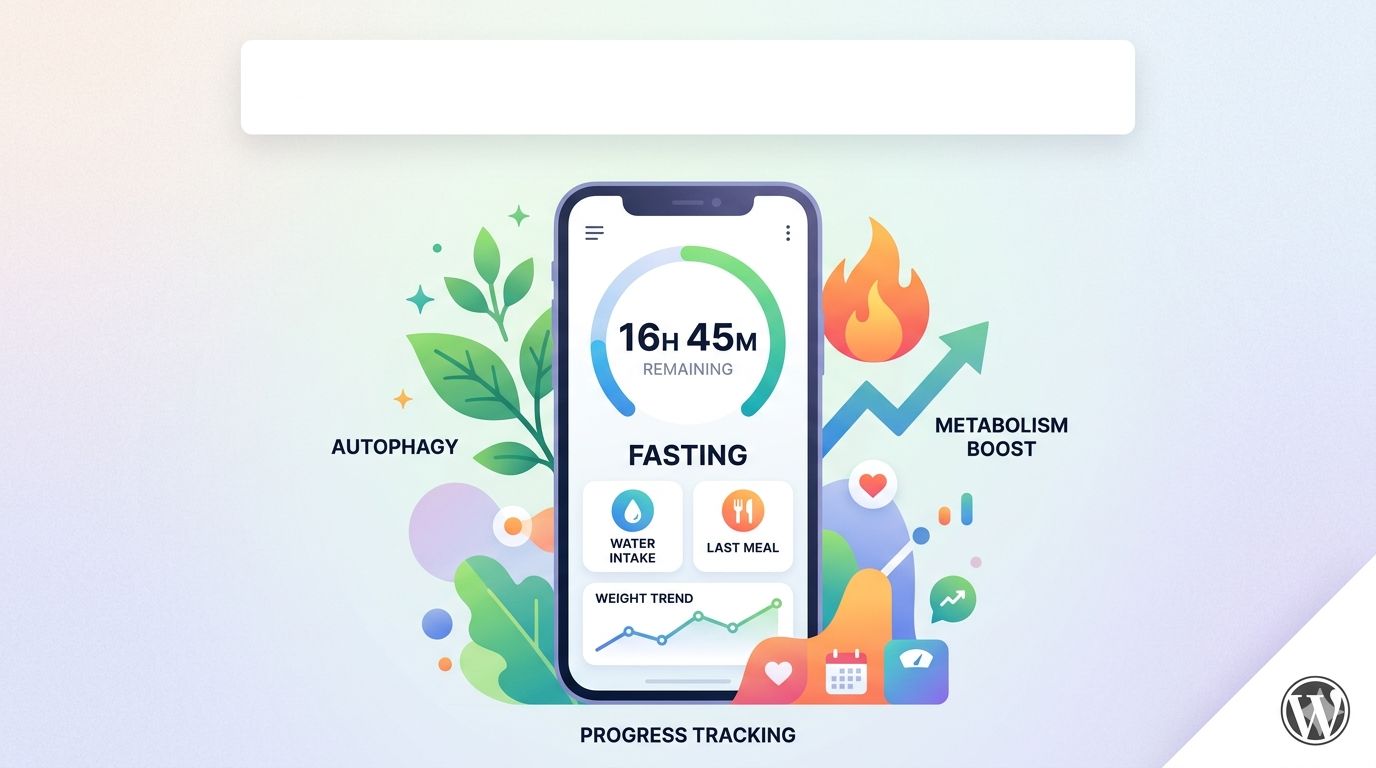
⏱️ Understanding Intermittent Fasting ⏱️
Educational content based on reputable health sources including Optimum Health Screening, Watson’s Malaysia, Dummies.com, and University of Michigan School of Public Health.
What is Intermittent Fasting?
Intermittent fasting (IF) is an eating pattern that cycles between periods of fasting and eating. It doesn’t specify which foods you should eat but rather when you should eat them. Common methods include daily 16-hour fasts or fasting for 24 hours, twice per week.
How It Works
When you fast, several things happen in your body on the cellular and molecular level:
- Cellular repair: Your body initiates important cellular repair processes, such as removing waste material from cells.
- Hormone changes: Levels of human growth hormone (HGH) skyrocket, facilitating fat burning and muscle gain.
- Gene expression: There are beneficial changes in several genes and molecules related to longevity and protection against disease.
- Insulin sensitivity: Insulin sensitivity improves and levels of insulin drop dramatically, making stored body fat more accessible.
Popular Fasting Methods
16/8 Method
Fast for 16 hours each day, eat during an 8-hour window. Most popular and sustainable method.
5:2 Diet
Eat normally 5 days per week, restrict calories to 500-600 on 2 non-consecutive days.
Eat-Stop-Eat
Fast for 24 hours once or twice per week (e.g., dinner one day to dinner the next day).
Health Benefits
Weight Loss
IF can help you lose weight and belly fat without consciously restricting calories.
Metabolic Health
Improves insulin sensitivity, lowers blood sugar, reduces inflammation.
Heart Health
May reduce LDL cholesterol, blood triglycerides, inflammatory markers.
Brain Health
Increases BDNF, may aid nerve cell growth, protects against Alzheimer’s.
Tips for Success
- Start slow: Begin with 12-hour fasts and gradually increase to 14-16 hours.
- Stay hydrated: Drink plenty of water, herbal tea, or black coffee during fasting periods.
- Eat nutrient-dense foods: When eating, focus on whole foods rich in protein, fiber, and healthy fats.
- Listen to your body: If you feel unwell, break your fast and consult a healthcare professional.
- Be consistent: Stick to a regular schedule for best results.
- Combine with exercise: Light exercise like walking or yoga can enhance benefits.
Important Considerations
Intermittent fasting is generally safe for most healthy adults, but it may not be suitable for everyone. Consult with a healthcare professional before starting if you:
- Have a history of eating disorders
- Are underweight or have nutritional deficiencies
- Have diabetes or blood sugar regulation issues
- Are pregnant, breastfeeding, or trying to conceive
- Have low blood pressure or take medications
- Have a medical condition
Remember: The best fasting routine is one that you can stick to long-term and that makes you feel good.