Box Breathing Technique: The Navy SEAL Stress Method
Stay calm under pressure with box breathing, the Navy SEAL 4-4-4-4 technique. Steps, science, and a 14-day plan for beginners.


Box Breathing Technique: The Navy SEAL Stress Method
Box breathing is a four-count breathing pattern the U.S. Navy SEALs use to stay calm under pressure. Inhale for four seconds, hold for four, exhale for four, hold for four, and repeat. The equal sides steady your heart rate, clear mental noise, and leave you alert instead of sleepy. It takes five minutes to learn and works anywhere, from a boardroom to a traffic jam.
Most calming techniques push you toward sleep. Box breathing does something rarer. It calms the body while keeping the mind sharp, a state its most famous teacher calls neutral and ready. That combination explains why elite soldiers, surgeons, first responders, and executives all reach for the same square. This guide covers the exact steps, the physiology behind them, how box breathing compares with other techniques, the mistakes that blunt its effect, and a 14-day plan that builds it into a reflex.
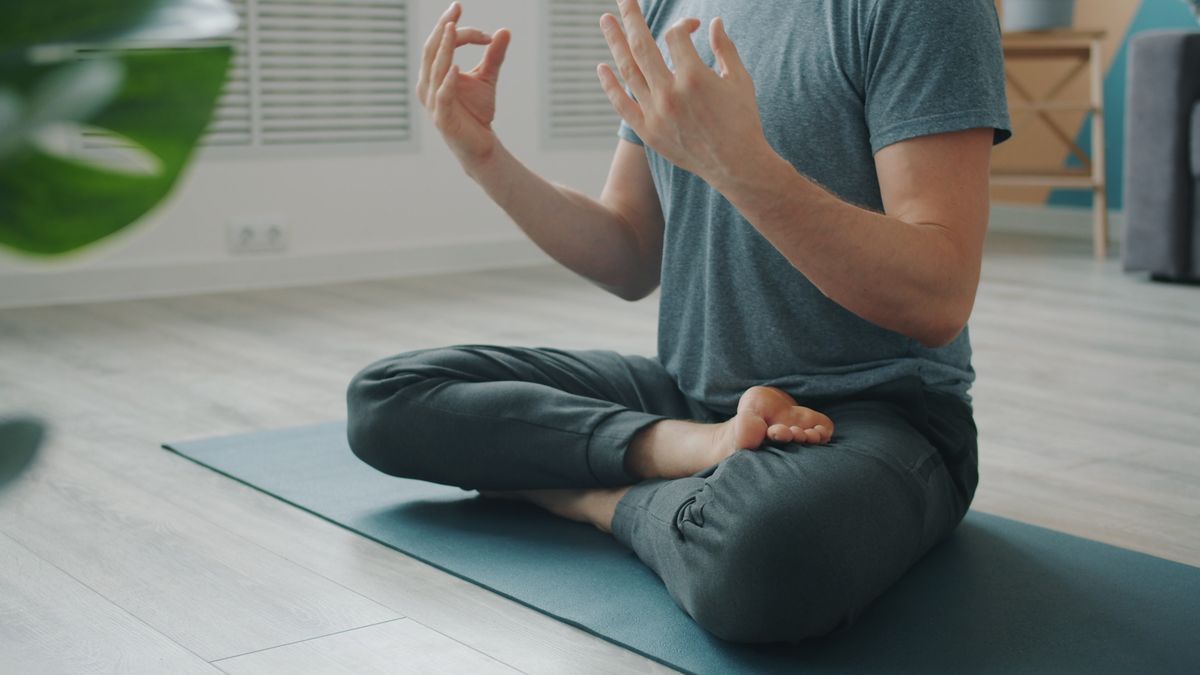
What Box Breathing Is
Box breathing goes by several names: square breathing, four-square breathing, equal breathing, 4-4-4-4 breathing, and in military circles, tactical breathing. Every name describes the same geometry. Your breath traces four equal sides. Inhale up the left side, hold across the top, exhale down the right side, hold along the bottom, and begin again.
The method entered public awareness through former Navy SEAL commander Mark Divine, who learned breath control in martial arts and SEAL training and refined it into a daily practice. Divine recommends ten to twenty minutes a day plus one- or two-minute spot drills whenever pressure spikes. He practices before workouts, in traffic, standing in lines, and before difficult decisions.
The roots run far older than the military. Equal-ratio breathing appears in yogic tradition as sama vritti pranayama, where sama means equal and vritti means fluctuation. The SEALs stripped it to its essentials and pressure-tested it in the hardest classroom on earth. What survived is what you learn below.

Why It Works: The Physiology of the Square
Four mechanisms make the square effective, and each one is backed by physiology rather than mystique.
- The holds stimulate the vagus nerve. Gentle breath retention lets carbon dioxide rise slightly, which activates the parasympathetic branch and lowers heart rate and blood pressure. You feel the shift as warmth in the hands and looseness in the jaw.
- Counting occupies the alarm system. Silently tracking four-count intervals gives the mind a single neutral task. Integrative medicine specialists describe this as a mantra-like meditation that pulls attention into the present moment and starves anxious rumination of bandwidth.
- Slow rhythm resets the stress baseline. Four sides of four seconds means each breath cycle lasts sixteen seconds, under four breaths per minute. Research on breathwork finds the strongest calming evidence below ten breaths per minute, so box breathing sits deep in the effective zone.
- The effect is neutral, not sedating. Long-exhale techniques push toward sleep. Equal-ratio breathing balances stimulation and relaxation, producing calm alertness. That is why soldiers use it before action and why it suits workdays better than bedtime.
Field evidence supports the lab logic. Conscious breathwork regulates cortisol within minutes and improves heart rate variability, the beat-to-beat flexibility that marks a resilient nervous system. Veterans who used tactical breathing in training report reaching for the same pattern years later as parents, managers, and coaches. For deeper reading, see the Cleveland Clinic guide to box breathing, Psychology Today on box breathing for well-being, and the National Geographic report on tactical breathing.
How to Do Box Breathing: Six Exact Steps
Find a seat with your back supported and both feet flat. Rest your hands on your thighs. Drop your shoulders and unclench your jaw. Breathe only through your nose unless that feels uncomfortable.
Step 1: Empty your lungs
Exhale slowly through your nose until your lungs feel comfortably empty. Do not force the last drop of air. This reset gives every round the same clean starting line.
Step 2: Inhale for four counts
Breathe in smoothly through your nose for a slow count of four. Feel your belly expand first, then your lower ribs. Picture tracing the left side of a square from bottom to top.
Step 3: Hold full for four counts
Rest with full lungs for four counts. Keep your throat open and your body soft. Think of pausing at the top of the square, not clamping down. Tension during holds is the most common error and it cancels the benefit.
Step 4: Exhale for four counts
Release the air in a steady stream through your nose for four counts. Let your belly fall and your shoulders sink a millimeter lower. Trace the right side of the square downward.
Step 5: Hold empty for four counts
Rest with empty lungs for four counts. This bottom edge feels strange to beginners and many rush it. Resist the urge. The empty hold is where stillness deepens.
Step 6: Repeat for four rounds minimum
Complete at least four full squares, roughly four to five minutes. Three to four rounds is the standard starter dose recommended by clinicians. End by breathing normally for thirty seconds before standing.
| Side of square | Action | Count | Visualization |
|---|---|---|---|
| Left edge, going up | Inhale through nose | 4 | Trace upward |
| Top edge | Hold, lungs full | 4 | Trace across |
| Right edge, going down | Exhale through nose | 4 | Trace downward |
| Bottom edge | Hold, lungs empty | 4 | Trace back to start |
Video: A short guided box breathing session. Breathe along in real time. Source: CHI Health on YouTube.
Box Breathing vs Other Techniques: When to Use Each
Box breathing is one tool in a small kit. Our 3-minute breathing exercise guide covers belly breathing, extended exhales, and 4-7-8 in depth. Here is how to choose between them.
| Technique | Pattern | Best for | Energy effect |
|---|---|---|---|
| Box breathing | 4-4-4-4 equal | Focus under pressure, pre-performance calm | Neutral and alert |
| Belly breathing | Slow in and out, no holds | First-time beginners, anytime reset | Gently calming |
| Extended exhale | In 4, out 6 to 8 | Acute stress spikes, pre-difficult conversations | Strongly calming |
| 4-7-8 breathing | In 4, hold 7, out 8 | Evening wind-down, falling asleep | Sedating |
The rule of thumb is simple. Reach for box breathing when you need to stay sharp. Reach for extended exhales when you need to come down fast. Reach for 4-7-8 when the day is done. Psychology Today notes that regular practice trains the relaxation response like a muscle, so the technique you repeat most becomes the one your body reaches for automatically.
Five Moments That Call for the Square
- Before presentations and interviews. Four rounds in the waiting room steadies the voice and stops shaky hands. Arrive five minutes early and spend four of them on the square.
- In traffic and queues. Mark Divine himself names traffic and lines as prime spot-drill territory. Red lights become cues instead of irritants.
- Between deep-work blocks. One two-minute square between tasks clears mental residue better than scrolling. Your next hour starts cleaner.
- Before difficult conversations. Box breathing keeps you assertive without tipping into aggression or shutdown. Both holds train the pause you need mid-discussion.
- At the start of a workout. A short square session downshifts a wired nervous system so training begins from focus rather than frenzy. Try it before our 10-minute morning workout.
Video: The science of breathwork plus guided practice with a Cleveland Clinic physician. Source: Cleveland Clinic on YouTube.

Six Mistakes That Blunt the Square
- Straining the holds. A hold is a rest, not a contest. If your face tightens or your chest locks, shorten all sides to three counts until ease returns.
- Racing the count. One-two-three-four in under two seconds is not box breathing. Slow each count to a full second. Unequal sides break the square.
- Chest-only breathing. Shallow upper-chest inhales feed the very tension you want to release. Belly rises first, ribs second, shoulders never.
- Skipping the empty hold. Beginners routinely rush the bottom edge. That hold trains comfort with stillness and completes the nervous-system signal. Give it equal time.
- Practicing only in crisis. A square deployed for the first time mid-panic feels awkward and can add frustration. Daily calm practice is what makes it available on demand. The SEAL method itself prescribes daily sessions plus short spot drills.
- Expecting instant mastery. The first week often feels mechanical. Attention improves around week two as counting becomes automatic and sensation takes over.

Your 14-Day Box Breathing Plan
| Days | Daily session | Spot drills | Goal |
|---|---|---|---|
| 1 to 3 | 4 rounds at 3-3-3-3 counts | None yet | Learn the shape without strain |
| 4 to 7 | 4 rounds at 4-4-4-4 counts | 1 one-minute drill | Full square, first real-world use |
| 8 to 11 | 6 rounds at 4-4-4-4 counts | 2 one-minute drills | Extend duration, test under mild pressure |
| 12 to 14 | 8 rounds or 5 minutes | 3 one-minute drills | Automatic recall before stressful moments |
Track every session in our habit tracker dashboard. If mornings are chaotic, anchor practice to an existing ritual using our 2-minute morning habit method. Readers pairing breathwork with movement do well to follow the square with one circuit from our silent office workouts.
Frequently Asked Questions
How many rounds of box breathing should beginners do?
Four rounds, roughly four to five minutes, once or twice daily. That dose is enough to feel the calming effect without strain. Extend to six or eight rounds in week two, and add one-minute spot drills during the day as the pattern becomes familiar.
Is box breathing better than 4-7-8 breathing?
Neither is better overall. They serve different moments. Box breathing produces calm alertness, so it suits daytime pressure, focus, and performance. The 4-7-8 pattern sedates more strongly, so it suits evenings and sleep. Many practitioners use box breathing by day and 4-7-8 by night.
Can box breathing stop a panic attack?
It can help reduce the intensity by slowing the breath and giving the mind a single task, but it works best as a trained skill rather than a first-time rescue. Practice daily while calm so the pattern is familiar. During acute panic, shorter exhales without long holds may feel safer. Seek professional help for recurring panic attacks.
Key Takeaways
- Box breathing traces a four-count square: inhale 4, hold 4, exhale 4, hold 4.
- Holds stimulate the vagus nerve while counting anchors attention, producing calm alertness rather than sleepiness.
- Start with four rounds daily, keep all sides equal, and never strain the holds.
- Use it before pressure moments and drill it daily so it is available on demand.
- Pair daytime box breathing with evening 4-7-8 for full-day coverage.
What to Do Next
Do four rounds right now, before you close this page. Tomorrow, run the square before your first meeting and notice the difference. Then complete the pair with our 3-minute breathing exercise guide, which covers belly breathing, extended exhales, and 4-7-8 for the rest of your day. When work tension builds between sessions, reset with our evening wind-down workout and protect the streak in the habit tracker.
Disclaimer: The information provided by ReByte Talk Fitness is for educational purposes only and is not medical advice. Consult a healthcare professional before starting any new wellness practice, especially if you are pregnant or have a heart, respiratory, or mental health condition.
RBTF Tip 1.2m × 1.2m is enough. Start with 5 minutes, keep the streak, and let small wins compound.

Your RBTF Coach
Rebyte.Talk · RBTF Coach
Helping beginners build 5-min habits in small spaces. No gym, no expensive gear — just consistent small wins.
More guides