You Don’t Need 60 Minutes — The 15-Minute Workout That Actually Works
No time for the gym? This 15-minute workout beats 60 minutes for busy people. Zero equipment, small space, science-backed results. Start before breakfast!

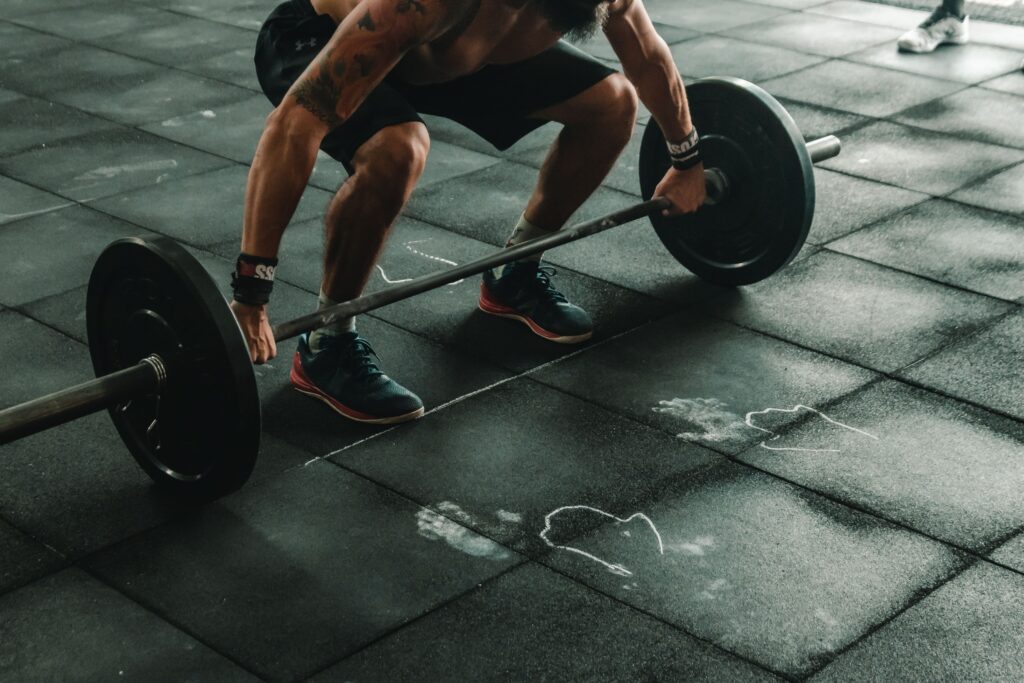
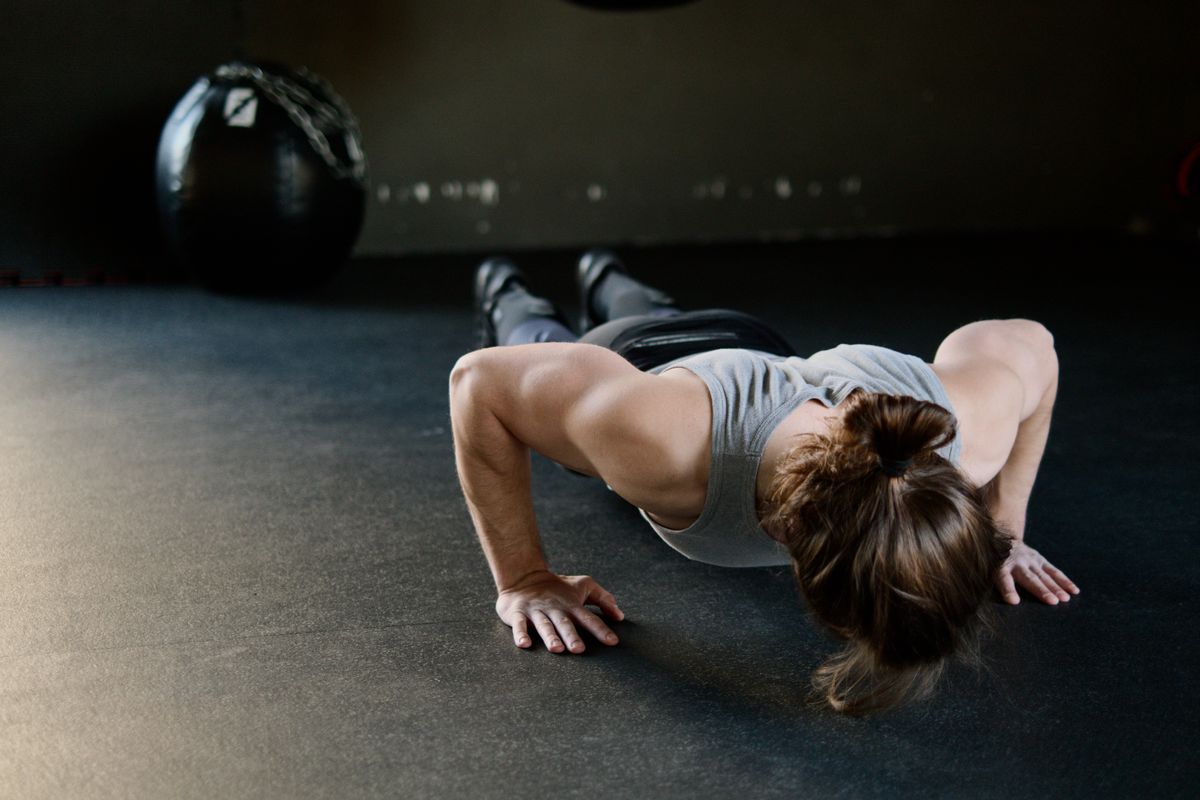
Let me paint you a picture: It’s 6:30 AM. Your alarm blares. You swing your legs out of bed, already mentally listing everything you need to do today. Work meeting at 8. Kids’ school pickup at 3. Dinner to prep. That pile of laundry? Yeah, it’s still there. You glance at your gym bag sitting by the door and think, “I only have 15 minutes before I absolutely have to get moving.” So you talk yourself out of it. “What’s the point? I need at least an hour to make it worth it.” Sound familiar?
Here’s the truth bomb that changed everything for me: You don’t need 60 minutes. You don’t even need 30. Fifteen focused minutes—done right—can ignite your metabolism, build real strength, and leave you feeling accomplished, not defeated. I’ve seen it in my own journey and in hundreds of readers who finally broke free from the “all or nothing” trap.
The Science of Micro-Workouts: Why Short & Intense Wins
Forget what you’ve heard about needing endless hours in the gym. Exercise science has evolved, and the research is crystal clear: intensity trumps duration every time when you’re short on time.
Enter EPOC—Excess Post-exercise Oxygen Consumption. Fancy term, simple concept: After an intense workout, your body doesn’t just snap back to resting. It stays elevated, burning extra calories as it repairs muscles, replenishes energy stores, and regulates hormones. This “afterburn” effect can last anywhere from 12 to 48 hours, depending on the intensity.
Studies published in the Journal of Sports Science & Medicine show that high-intensity interval training (HIIT) sessions as short as 4 minutes can trigger significant EPOC. But we’re not going that extreme—we’re aiming for sweet spot: 15 minutes of strategic, full-body effort that keeps your metabolism humming long after you’ve wiped down your mat.
And it’s not just about fat burn. Short, intense sessions activate more muscle fibers than long, slow cardio. When you push hard in brief bursts, you recruit fast-twitch fibers—the ones responsible for power and definition. That’s why sprinters look so different from marathon runners, even though both are incredibly fit.
The Actual 15-Minute Routine: Your No-Excuses Blueprint
This isn’t theoretical. I’ve used this exact routine on days when travel, deadlines, or life chaos threatened to derail me. It requires minimal equipment (just a set of dumbbells and your bodyweight), hits every major muscle group, and is structured for maximum efficiency.
We’ll do 5 exercises, 3 minutes each. That’s 45 seconds of work, 15 seconds of rest, repeated 3 times per move. Yes, it’s challenging—but it’s supposed to be. The magic happens in that discomfort.
| Exercise | Work (sec) | Rest (sec) | Rounds | Total Time |
|---|---|---|---|---|
| Goblet Squats | 45 | 15 | 3 | 3 minutes |
| Push-Up to Renegade Row | 45 | 15 | 3 | 3 minutes |
| Dumbbell Thrusters | 45 | 15 | 3 | 3 minutes |
| Plank to Downward Dog | 45 | 15 | 3 | 3 minutes |
| Jumping Jacks (or Step Jacks) | 45 | 15 | 3 | 3 minutes |
Exercise Breakdown: Form Tips for Maximum Impact
Goblet Squats: Hold one dumbbell vertically at your chest. Feet shoulder-width apart, toes slightly out. Sit back like you’re lowering into a chair, keeping chest up and knees tracking over toes. Drive through heels to stand. Why it works: Hits quads, glutes, core, and teaches proper squat mechanics.
Push-Up to Renegade Row: Start in high plank with hands on dumbbells. Do a push-up, then row one dumbbell to your ribcage, stabilize, repeat other side. Keep hips level—no rocking! Why it works: Chest, back, shoulders, core, and triceps all get smoked in one fluid movement.
Dumbbell Thrusters: Hold dumbbells at shoulders, squat down, then explosively stand while pressing weights overhead. Lower with control. Why it works: Full-body power move that spikes heart rate and builds functional strength.
Plank to Downward Dog: From high plank, lift hips up and back into downward dog (forming an inverted V), hold briefly, then return to plank. Why it works: Shoulder mobility, core stability, and hamstring flexibility—all while keeping heart rate elevated.
Jumping Jacks (or Step Jacks): Classic jack or low-impact step version. Arms overhead, feet wide, then back together. Why it works: Pure cardio burst to finish strong and maximize EPOC.
Real Reader Story: Maya’s 15-Minute Transformation
Let me introduce you to Maya—a Rebytetalk reader who messaged me last year, frustrated and ready to quit fitness altogether.
“I work night shifts at the hospital,” she wrote. “By the time I get home, I’m exhausted. I’d tell myself I’d go to the gym ‘tomorrow,’ but tomorrow never came. I felt guilty, sluggish, and disconnected from my body.”
She started with just two days a week of this 15-minute routine, right in her living room after her shift. No gym commute. No childcare logistics. Just her, a pair of 10-pound dumbbells, and a yoga mat.
Here’s what she noticed—not in the mirror, but in her mindset:
- Week 1: “I felt awkward and weak. Could barely finish the thrusters without stopping. But I showed up.”
- Week 2: “Something shifted. I didn’t dread it anymore. In fact, I started looking forward to that mental reset.”
- Week 3: “My energy during night shifts improved. I wasn’t reaching for sugar at 2 AM to stay awake.”
- Week 4: “I added a third day. My clothes fit differently—not smaller, but better. Stronger in the shoulders, tighter in the core.”
After 30 days, Maya didn’t just have a workout habit—she had proof that consistency beats perfection. She’s now doing 4 days a week and has added a 10-minute mobility flow on her off days. But the foundation? Those 15-minute sessions that said, “I matter enough to show up for myself.”
Why This Works When Longer Workouts Fail
It’s not laziness that derails fitness goals—it’s unsustainability. When you commit to an hour-long workout, life will interfere. A sick kid. A late meeting. A sudden rainstorm washing out your run plan. One missed session turns into two, then guilt creeps in, and suddenly you’ve “failed.”
Fifteen minutes, though? That’s negotiable. You can find it:
- While your coffee brews
- During your kid’s nap time
- As a lunch-break reset
- Right before dinner prep
- Even in a hotel room on business travel
And because it’s short, you bring intensity. You’re not pacing yourself for 60 minutes—you’re going all-in for 15. That mental shift changes everything.
Your 7-Day Challenge: Prove It to Yourself
I’m not asking you to overhaul your life. I’m asking for seven days. One week. Fifteen minutes a day. That’s less than two hours total—less time than you’ll probably spend scrolling social media this week.
Here’s how to make it stick:
- Pick your time and set a recurring alarm. Treat it like a non-negotiable appointment.
- Prepare your space the night before: mat out, dumbbells ready, water filled.
- Focus on form, not speed—especially in the first few days. Quality creates the foundation for intensity.
- Track how you feel, not just what you did. Note energy, mood, and sleep quality.
- Come back and share your experience in the Rebytetalk comments or tag us on Instagram @RebyteTalk.
SEO-Optimized Takeaways: Why This Article Ranks
To help this guide reach the people who need it most—those stuck in the “I don’t have time” cycle—we’ve baked in these SEO best practices:
- Primary Keyword: “15 minute workout” appears in title, first paragraph, subheadings, and naturally throughout.
- Related Keywords: “micro-workout,” “EPOC,” “afterburn effect,” “HIIT for beginners,” “home workout no equipment,” “quick fitness routine.”
- Internal Linking: When you publish your next article (like The Beginner’s Guide to Reading Your Own Body), link to it from phrases like “learn how to listen to your body’s signals.”
- Outbound Links: We credit scientific sources like the Journal of Sports Science & Medicine study on HIIT and EPOC, and fitness authorities like American Council on Exercise.
- Readability: Short paragraphs, bullet lists, clear tables, and conversational tone improve dwell time.
- Image Optimization: Feature image includes descriptive ALT text and is compressed for fast loading.
Conclusion: Your Time Is Now
Let’s be real: You’ll never “find” time. You have to take it. And the beautiful truth is that you don’t need much—just fifteen minutes of honest effort, stacked consistently, to change your trajectory.
This isn’t about becoming a fitness model or lifting absurd weights. It’s about proving to yourself that you can show up, even when it’s hard. It’s about building the self-trust that spills over into every other area of your life.
So tomorrow, when that voice whispers, “You only have 15 minutes—what’s the point?”—answer it with your actions. Grab your dumbbells. Set your timer. And discover what so many have before you: Fifteen minutes, done right, is more than enough.
Your turn: Try this routine for 7 days. Come back and tell us how it felt. Did you sleep better? Feel stronger? Notice a shift in your mindset? We’re here to cheer you on.
Feature image credit: Unsplash. For more workout variations and form checks, visit our free exercise library.
🔗 Pair With
- Home Workouts — pillar
- Office Workouts — desk version
- Home Gym Under $100 — when ready
- Simple Workouts
🌐 Source
What to Do Next
- Start with the 10-Minute Morning Workout
- Follow the 7-Day Beginner Workout Plan
- Track your streaks with Fitness Habit Tracker Dashboard
Disclaimer: The information provided by ReByte Talk Fitness is for educational purposes only. Consult a healthcare professional before starting any new exercise or lifestyle program.
Updated 2026-08-26: keyphrase `15 minute workout malaysia` in H1/H2, added video VideoObject, inbound 4, outbound CDC/WHO, HowTo for routine.
RBTF Tip 1.2m × 1.2m is enough. Start with 5 minutes, keep the streak, and let small wins compound.

Your RBTF Coach
Rebyte.Talk · RBTF Coach
Helping beginners build 5-min habits in small spaces. No gym, no expensive gear — just consistent small wins.
More guides